
Last updated November 23, 2026
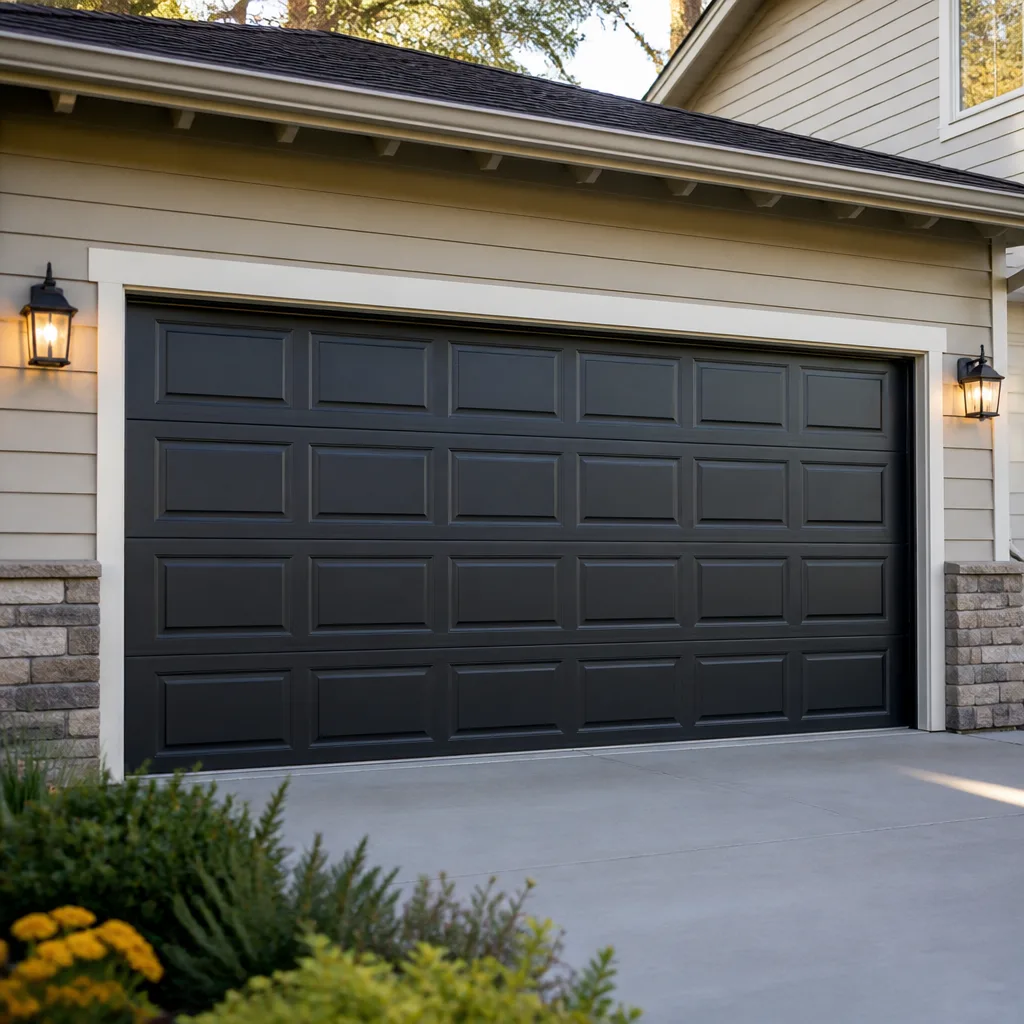 Raised-panel steel
 Carriage house
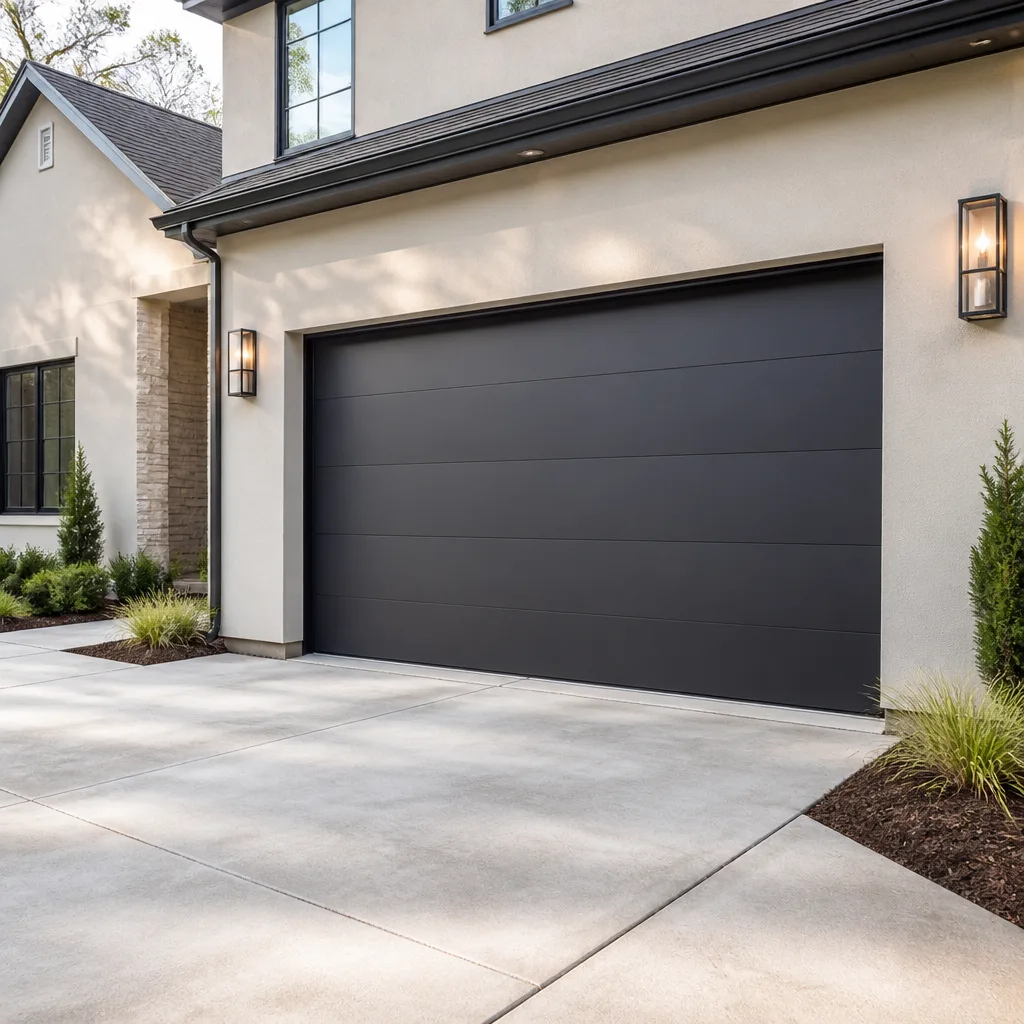 Modern flush
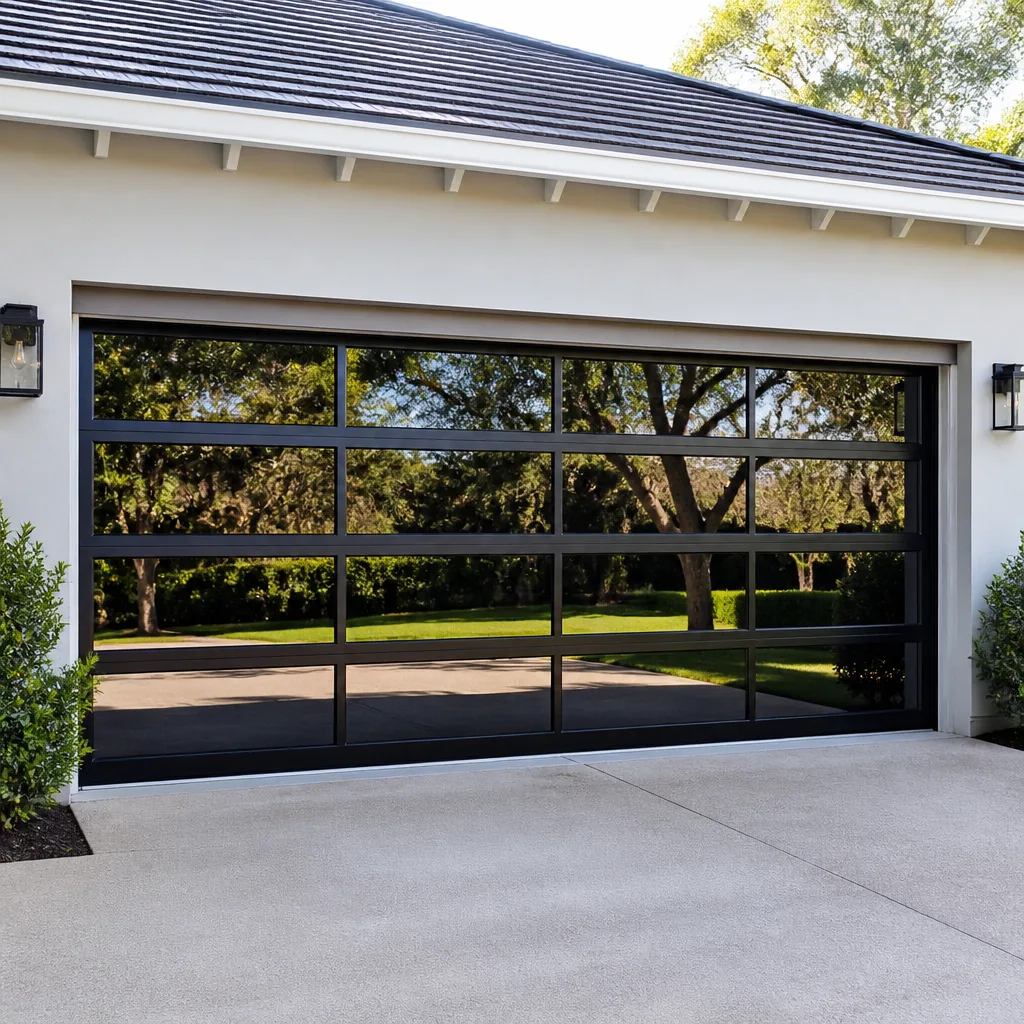 Full-view glass
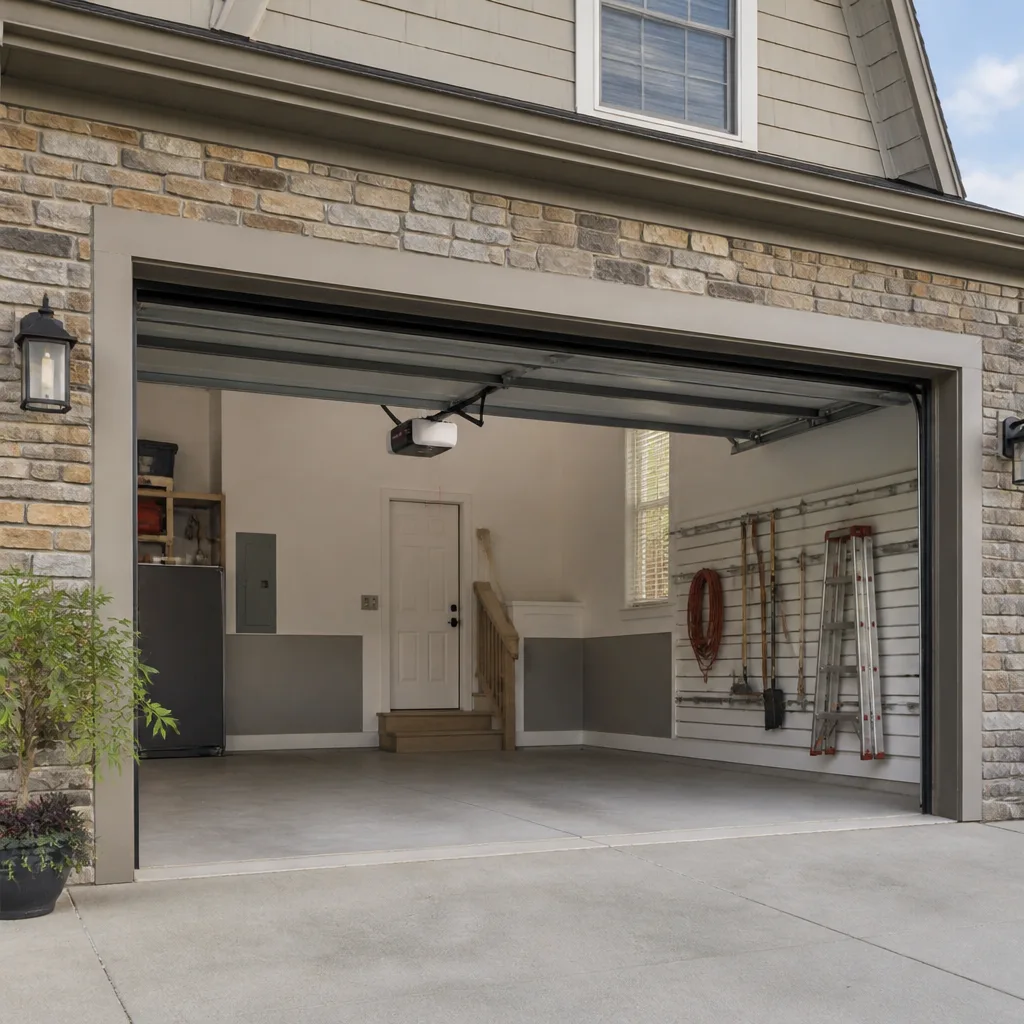 LiftMaster openers
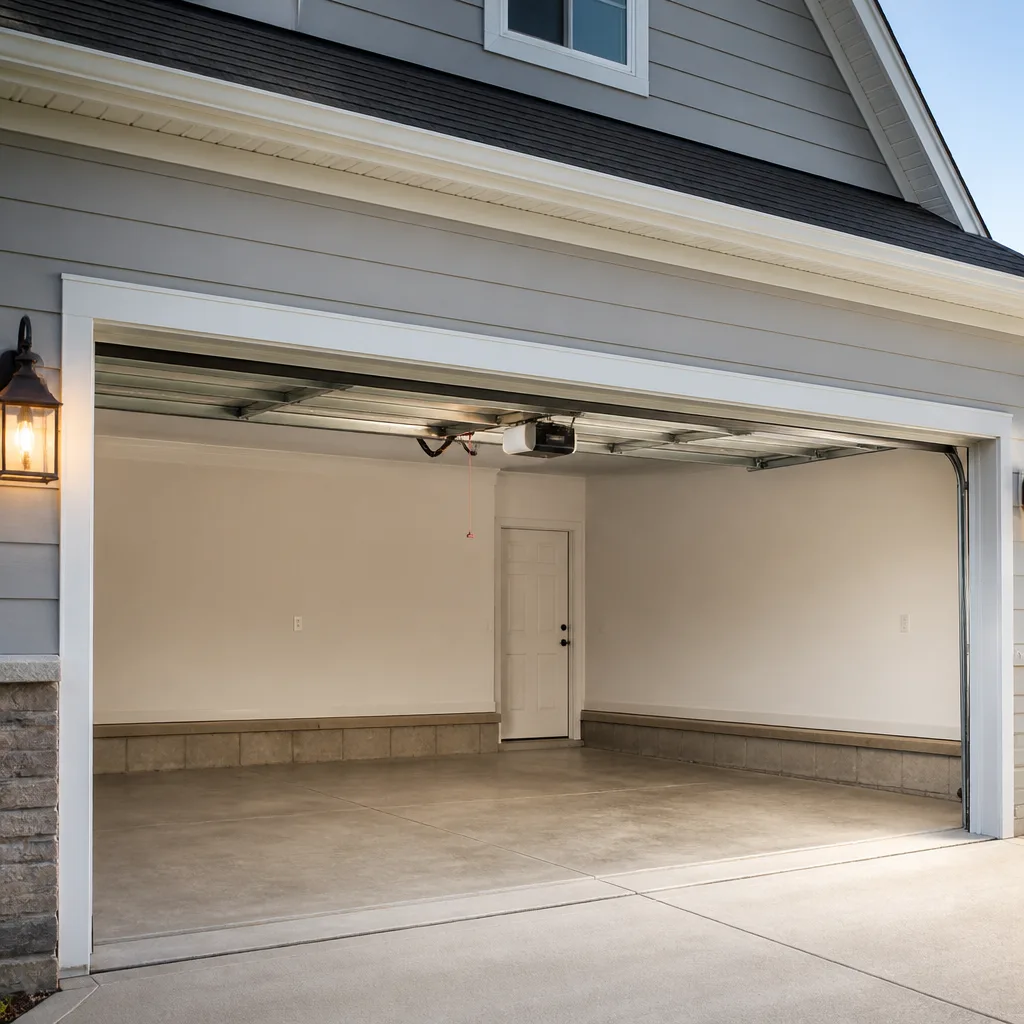 Chamberlain openers
Full 25-point door and opener safety check with every visit - springs, cables, rollers, tracks, and your LiftMaster or Chamberlain opener included
You get a price before we start. It does not change when the pro arrives.
Get your free estimateGarage Door Repair Maintenance Checklist for Texas City Homeowners
A LiftMaster opener doesn’t want the same lubrication schedule as a Chamberlain, and a Wayne Dalton Torquemaster spring system can fail in a way that stays hidden until the day it lets go completely. That’s the trouble with most checklists you’ll find online: they tell you to “lubricate moving parts” and “test the safety reverse” without ever asking what hardware is actually bolted to your wall. If your checklist doesn’t name the equipment, it isn’t checking the right things. This guide is organized around the door and opener brands most common in Texas City garages, the failure points unique to each, and the seasonal rhythm that our hot summers demand. You’ll finish knowing exactly what to look at, when, and what to photograph before you ever pick up the phone.
Quick Answer
A garage door maintenance checklist for Texas City should cover four things every month: a visual inspection of springs, cables and rollers; a balance and safety-reverse test; targeted lubrication of hinges, rollers and the opener rail; and a quick listen for new noises. Twice a year, go deeper with the brand-specific checks in this guide. Anything involving torsion springs or cables is inspection only, never repair. Our technicians have up to 9 years of experience with the brands below, and we’re glad to walk you through what to look for.
Styles & brands we work with
- Raised-panel steel
- Carriage house
- Modern flush
- Full-view glass
- LiftMaster openers
- Chamberlain openers
Table of Contents
- Which Brands Are in Your Garage?
- Springs and Cables: What to Inspect, Never Touch
- Opener Checks by Brand: LiftMaster, Chamberlain, Genie, Craftsman
- Testing Auto-Reverse the Right Way
- Seasonal Lubrication for Texas City’s Heat
- Bottom Seals, Weatherstripping and Heat Cycling
- What to Document Before You Call
- Common Mistakes to Avoid
Which Brands Are in Your Garage?
Before any checklist makes sense, you need to know what you’re looking at. Texas City homes tend to carry a handful of door and opener brands because builders and previous owners stuck with the names that dominate the market. Clopay and Amarr doors show up often on newer construction, while Wayne Dalton and Raynor doors appear on plenty of older homes. On the opener side, LiftMaster, Chamberlain, Genie and Craftsman cover most of what we see. Take five minutes, get a flashlight, and write down what’s printed on the door panels, the opener housing and the wall button. That single note changes everything that follows.
Where to find the identification
- Open the door and look for a manufacturer label on the inside face of a panel.
- Check the opener motor housing for the brand name and model number.
- Look at the wall-mounted control for the brand logo, especially on connected systems.
- Note the spring type: a single torsion bar above the door, or extension springs running along the sides.
- Photograph all of it. Serial numbers fade, and photos save a diagnostic step later.
We work on equipment from LiftMaster, Chamberlain, Genie, Clopay, Amarr, Wayne Dalton, Craftsman and Raynor, which means the checklist below can be tailored to your actual hardware rather than a generic list. If you’d rather have someone confirm the equipment in person, our Texas City Garage Door Repair Pros team can identify your system and flag anything that needs attention.
Springs and Cables: What to Inspect, Never Touch
Torsion and extension springs are under extreme tension, and a spring that breaks can cause serious injury. This section is about what to look at from a safe distance, not what to adjust. If you see any of the warning signs below, stop and call a professional.
Spring inspection points
- Visible gaps or a separated coil on a torsion spring are a clear sign it has failed. Do not attempt to operate the door.
- Rust spotting along the coil is common in Texas City’s humid stretches, and rust weakens the steel over time. Note any orange or brown discoloration.
- Stretched or sagging extension springs that no longer sit straight in their tracks signal wear.
- An unbalanced door that feels heavy or slams down is often a spring problem, not an opener problem.
Wayne Dalton’s Torquemaster system deserves its own note. It uses a torsion spring inside a tube rather than a visible coil, so a homeowner can’t easily see the wear. If a Torquemaster door suddenly feels heavy or the opener strains, that’s a job for someone familiar with the system, not a visual guess. When a spring needs replacement, our garage door spring repair specialty is built around exactly this high-tension work. A single torsion spring is usually replaced as a matched pair, and the written quote will spell out which springs are being replaced before any work starts.
Cable inspection points
- Look for frays where the cable wraps the drum at the top corners. A single broken strand is enough to warrant a call.
- Check that cables run evenly on both sides; one side slack means the door is out of balance.
- Note any cable rubbing against a sharp edge or a bent bracket.
Cables and springs are inspection-only items on this checklist. We can’t overstate this: don’t try to adjust or replace them yourself.
Opener Checks by Brand: LiftMaster, Chamberlain, Genie, Craftsman
An opener checklist that ignores the brand is a waste of a Saturday. Each manufacturer has its own quirks, and knowing them shortens the time it takes to spot trouble. Here’s what to check on the four most common openers in Texas City garages.
LiftMaster and Chamberlain
These two share a lot of engineering, and both are common in connected homes. On a LiftMaster or Chamberlain MyQ system, check that the app still reports door status accurately. If the app shows the door closed while it’s open, the sensor alignment or the Wi-Fi module needs attention. Test the wall control and the remote separately, since one can fail while the other works. Listen to the motor at the start of travel: a grinding sound often points to worn gears or a loose chain.
Genie
Genie openers, especially older screw-drive models, tend to develop a rattle as the drive mechanism wears. Check the rail for loose bolts and note whether the noise happens at the same point in every cycle. A Genie that reverses partway up is often hitting a force limit rather than a sensor problem.
Craftsman
Craftsman openers are common on older Texas City homes, and many are still going strong. Check the safety eye brackets for rust and the belt or chain for slack. On a Craftsman with a battery backup, confirm the backup still engages by unplugging the unit briefly and watching whether the door still operates.
If any of these checks turns up a problem, our garage door opener repair covers both legacy and smart systems, so the fix doesn’t require a whole new unit when a part is the real issue.
Testing Auto-Reverse the Right Way
Most homeowners test the safety reverse wrong. The common mistake is pressing the wall button and watching the door go back down, which only confirms the button works. The real test checks whether the opener will reverse when it meets resistance, and the standard method is the “2×4 test” or the coin test. Here’s how to do it correctly.
- Open the door fully, then close it using the remote.
- As the door comes down, place a small block or a coin flat on the floor directly under the door’s path.
- Watch whether the door reverses when it contacts the object. It should reverse immediately.
- Test the photo-eye sensors separately by passing an object through the beam while the door closes. The door should reverse.
- If the door doesn’t reverse, the force setting or sensor alignment needs attention. Stop using the door until it’s corrected.
Do this test monthly, and definitely after any change to the door’s weight or balance. If the door fails the test, don’t keep operating it while you wait for a repair. Our garage door repair service handles safety-reverse adjustments, and we’ll check the whole system while we’re there, not just the sensor.
Why the coin test matters in Texas City
Heat cycling in a Texas City summer can shift the door’s balance slightly, and a door that passed the reverse test in spring may fail it by August. That’s exactly why monthly testing beats an annual check.
Seasonal Lubrication for Texas City’s Heat
A calendar-based lubrication schedule written for a four-season climate doesn’t fit Texas City. We get mild winters and brutal summers, and that temperature range drives the maintenance rhythm. The heat does the damage, not the cold. Here’s the schedule we recommend.
Spring, before the heat sets in
- Lubricate hinges, rollers and the opener rail with a garage-door-specific lubricant, not WD-40.
- Wipe down springs with a light lubricant to slow rust, but never adjust them.
- Check the bottom seal and weatherstripping for cracks before summer heat makes them brittle.
Midsummer, when the heat peaks
- Re-lubricate rollers and hinges, since heat thins lubricant faster.
- Listen for new noises; heat causes metal to expand and can reveal loose hardware.
- Check the opener motor housing for excess heat after a cycle. It should be warm, not hot to the touch.
Fall, before the mild winter
- Do a full balance and reverse test.
- Inspect springs for rust that developed over the summer.
- Tighten any hardware that loosened during the hot months.
Winter in Texas City is gentle, which means the heaviest maintenance window is actually late spring and midsummer, not fall. Adjust your schedule accordingly.
Bottom Seals, Weatherstripping and Heat Cycling
The bottom seal is the first thing to fail in Texas City’s heat, and most homeowners don’t notice until a gap lets in water or pests. Heat cycling causes the rubber to compress and crack over time. Run your hand along the bottom seal and check for gaps, hardness or tears. If the seal no longer touches the floor evenly, it needs replacement.
What to check on the seal and weatherstripping
- Compression loss where the seal meets the floor, especially at the center.
- Cracks or a hardened surface on the rubber.
- Gaps at the sides where the door meets the frame, which let in heat and humidity.
- Water staining on the floor under the door, a sign the seal isn’t doing its job.
Seals are a straightforward replacement and one of the cheapest maintenance items on this checklist. If the door itself is showing rust along the bottom edge, that’s a sign the panels are holding moisture and may need a closer look from a technician.
What to Document Before You Call
The single biggest time-saver in garage door repair is good documentation. A technician who knows the brand, the symptom and when it started can often diagnose the problem before arriving. Here’s what to gather.
- Photos of the opener label, the door panels, the springs and the bottom seal.
- Video or audio of the noise the door makes, recorded during a full open and close cycle.
- The cycle count if your opener has one. Many LiftMaster and Chamberlain models track this in the app or on the unit.
- A written description of when the problem happens: at the start, middle or end of travel, and whether it’s consistent.
- Any recent changes to the door, such as a new paint job, a bump from a car, or a power outage.
This is where our brand familiarity pays off. If you tell us you have a Wayne Dalton door with a Torquemaster spring and a grinding opener, our technicians already know the likely culprits. The documentation cuts the diagnostic time in half and gets you a faster fix.
Common Mistakes to Avoid
- Using WD-40 as a lubricant. It’s a solvent, not a lubricant, and it can strip the grease from your rollers. Use a garage-door-specific lubricant instead.
- Ignoring a noisy door until it fails. A grinding noise in a Texas City summer is often a worn roller, not a motor about to die. Catching it early is cheaper than a full opener replacement.
- Testing the safety reverse with the wall button. That only confirms the button works. Use the object test to confirm the door actually reverses on contact.
- Adjusting springs or cables yourself. These are under extreme tension and can cause serious injury. The checklist is for inspection only.
- Painting over a rusted panel. Rust on a Clopay or Amarr door is a sign moisture is getting in. Paint hides the problem without fixing it.
- Skipping the seal check. A failed bottom seal lets in heat and humidity, which speeds up rust on the springs and hardware.
- Assuming the opener is the problem. A door that won’t close is often a spring or balance issue, not a bad motor. Diagnose the door first.
See the difference
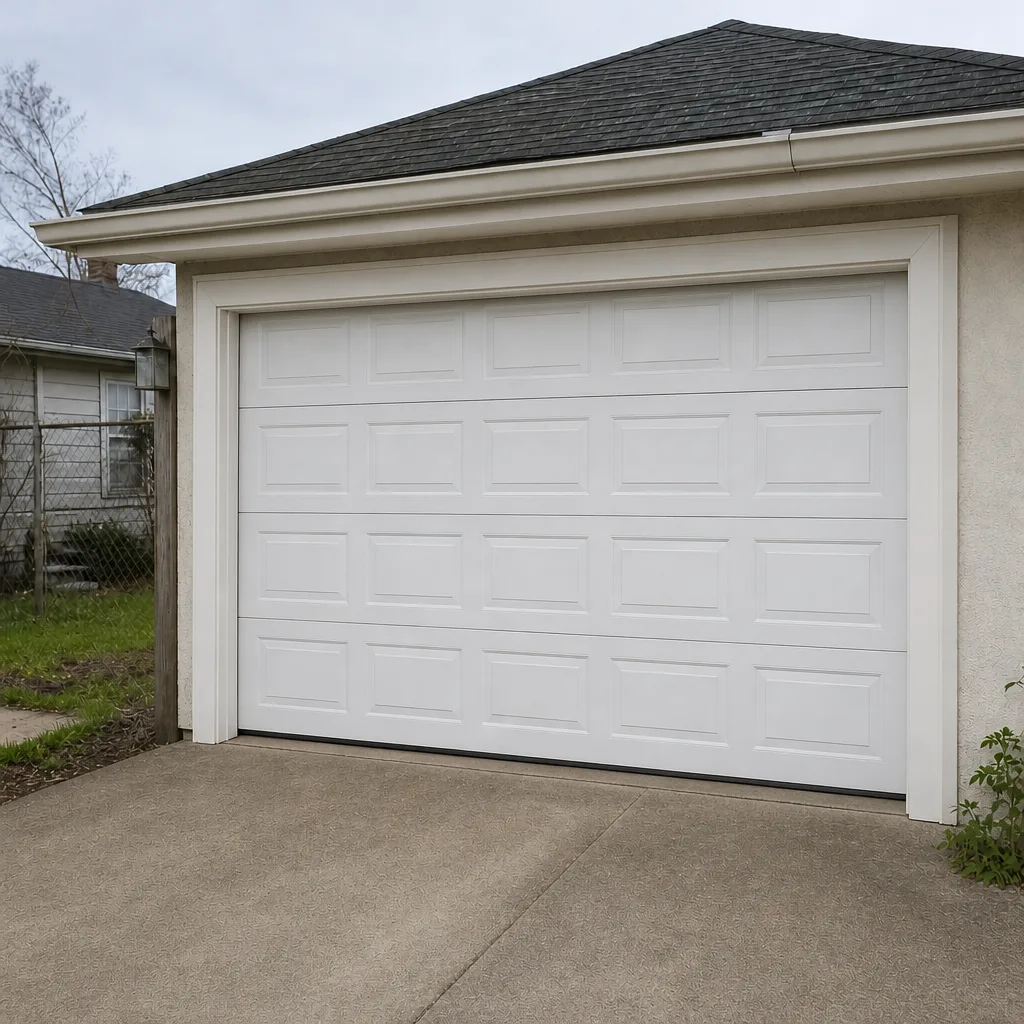
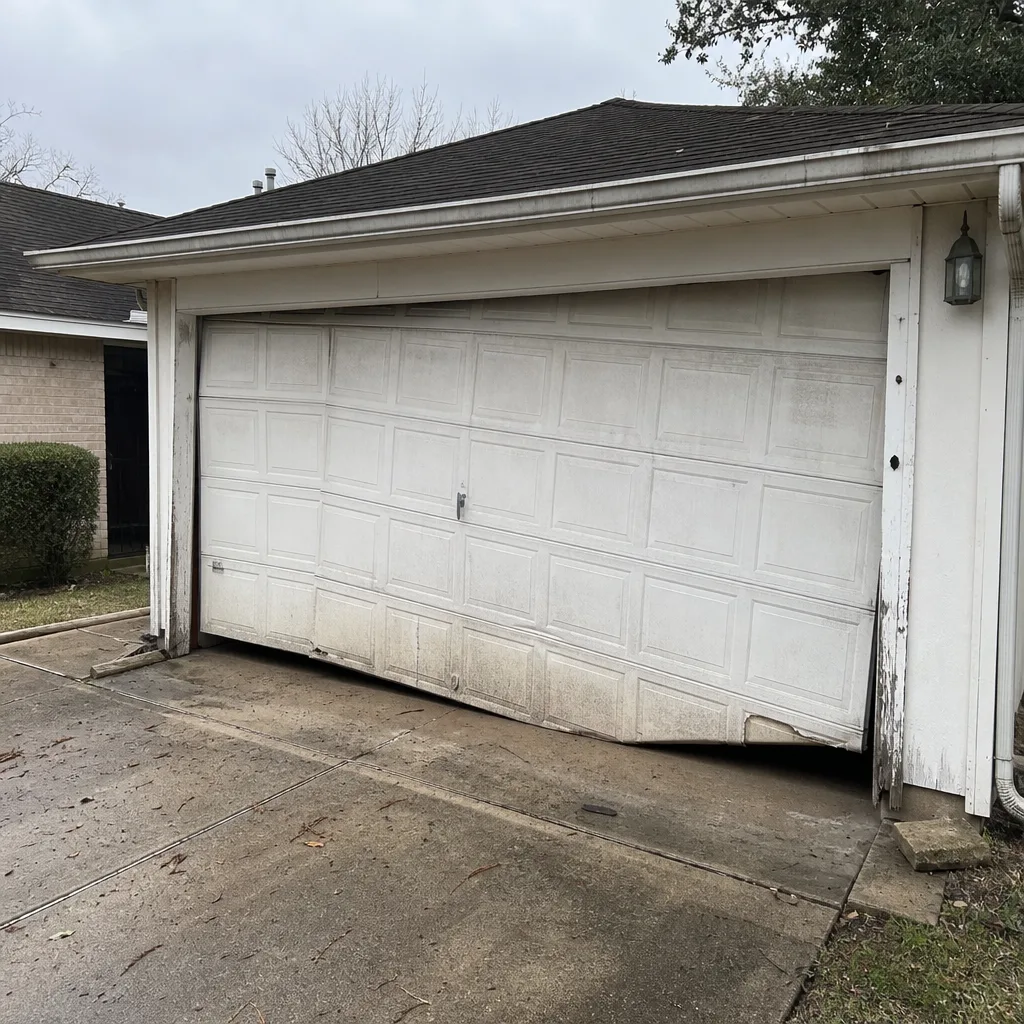 Before
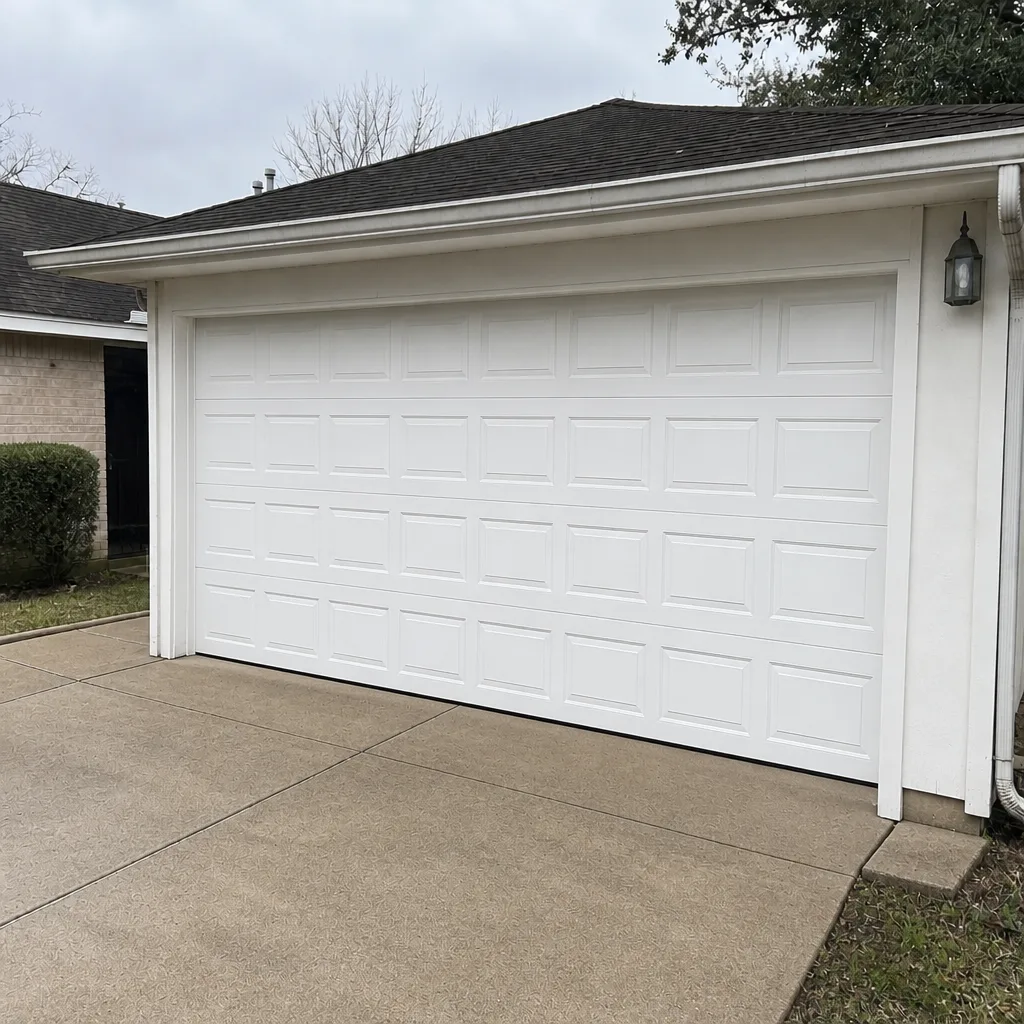 After
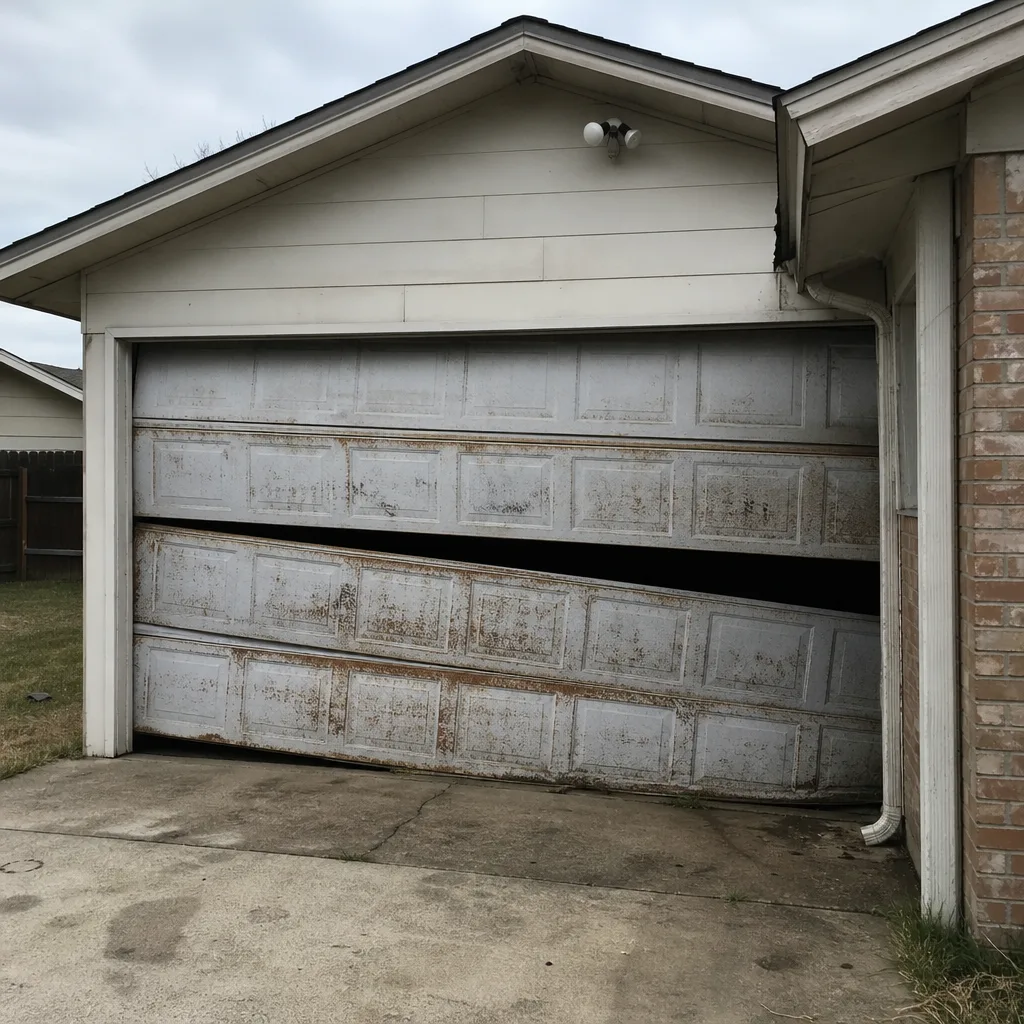
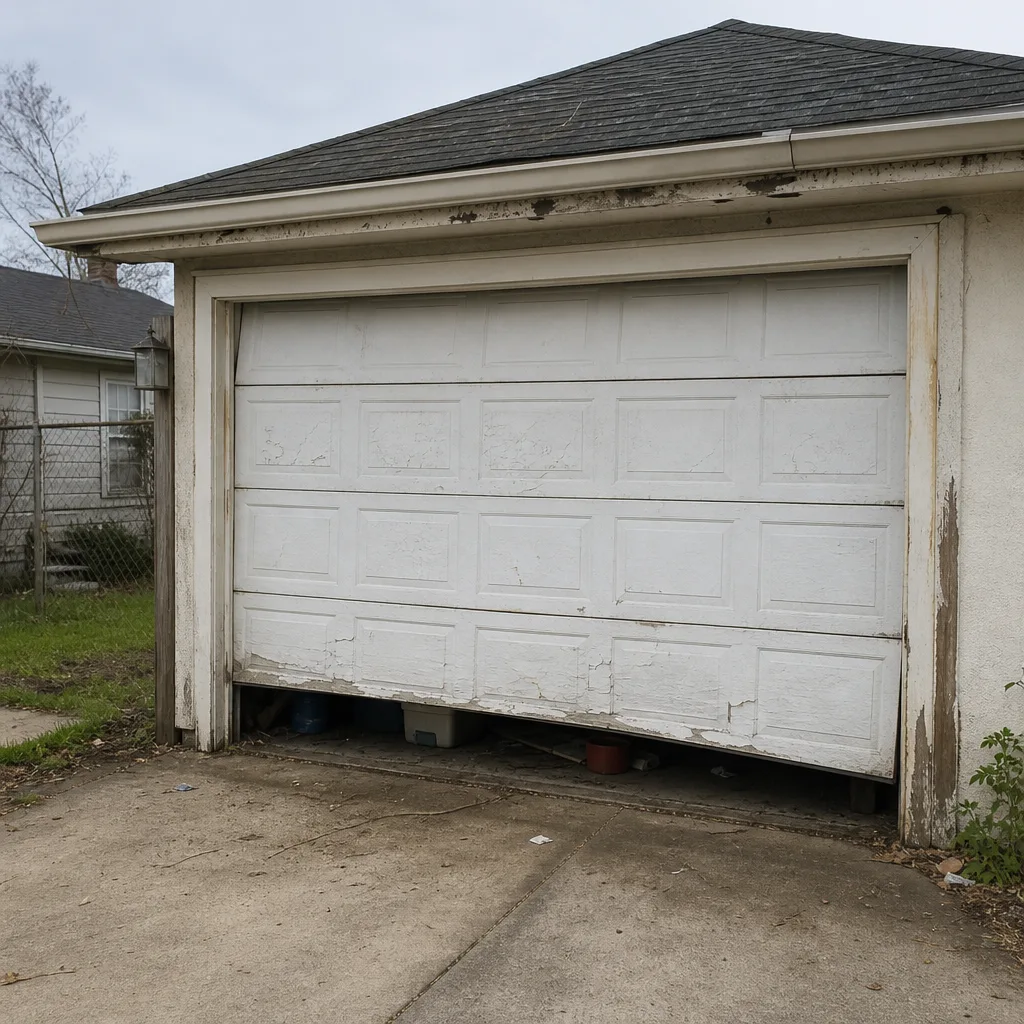 Before
 After
 Before
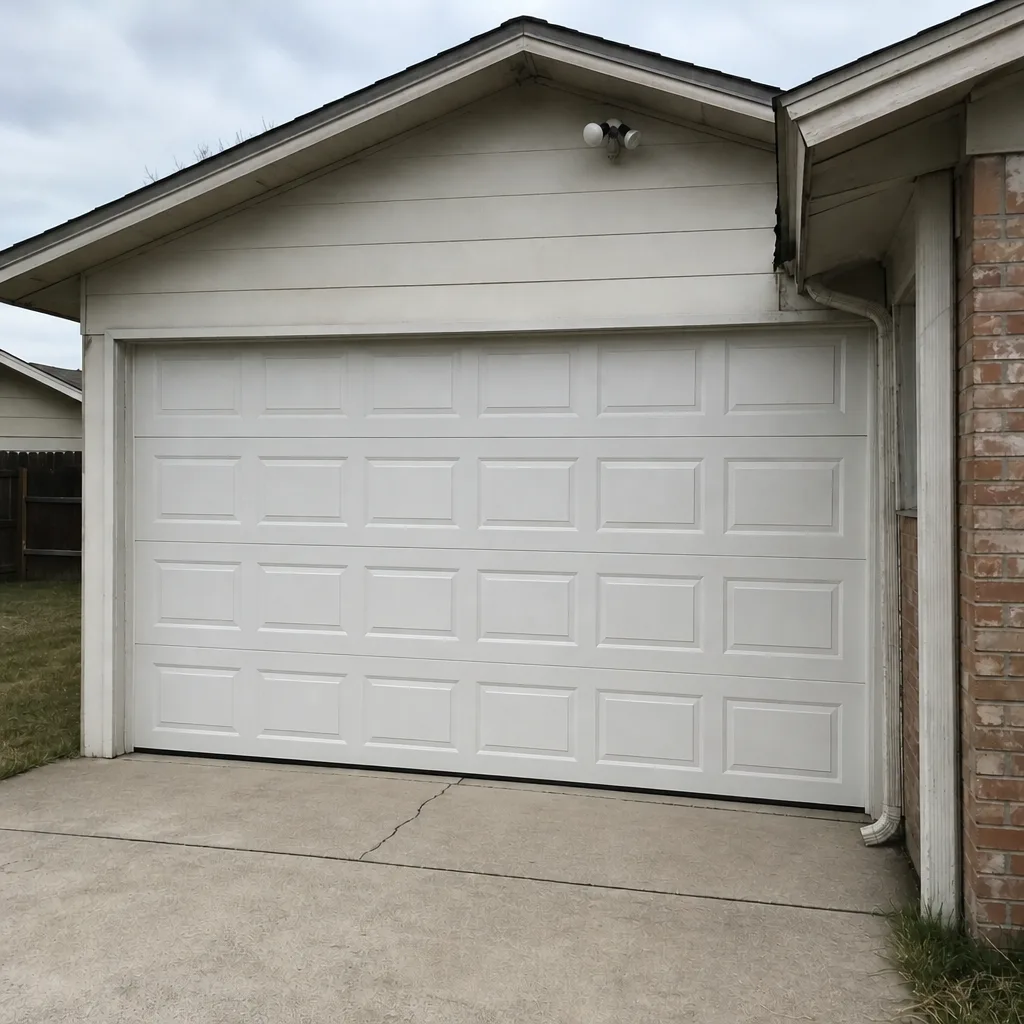 After
When to Call a Professional
Some tasks on this checklist are safe to do yourself: lubricating hinges, checking the seal, testing the reverse function, photographing labels. But other issues need a trained technician. Call a professional if you see a snapped or rusted spring, a frayed cable, a door that’s off its tracks, a door that won’t reverse, or an opener that’s making grinding or clicking noises. These aren’t jobs for a handyman with a ladder. Our team handles the full range, from a single opener fix to complete installation, so you’re not sourcing multiple contractors for one system. Texas City Garage Door Repair Pros offers free estimates in Texas City. Call (844) 443-3807. We answer 24/7. Fast dispatch from 7am to 7pm, Sunday through Friday.
Frequently Asked Questions
Monthly for the basic visual and reverse tests, and twice a year for a deeper check of springs, cables and lubrication. The heat in Texas City makes the summer months the most important time to check.
A light coat of lubricant on the springs to slow rust is safe from a distance, but never adjust or repair a spring yourself. Torsion and extension springs are under extreme tension and can cause serious injury.
It’s usually a force setting or a sensor alignment issue, but it can also be a door balance problem. Test with the object test before assuming the motor is failing, and call a technician if it fails.
The door feels heavy, the opener strains, or the door won’t stay up when you lift it manually. The spring is hidden inside a tube, so a visual check isn’t reliable. That’s a job for a technician.
Gather photos of the opener label and door, record the noise, note the cycle count if your opener tracks it, and describe when the problem happens. This cuts diagnostic time significantly.
No. The bottom seal is a separate replacement part and one of the cheaper maintenance items. A full door replacement is needed only if the panels themselves are rusted through or damaged.
The Bottom Line
A garage door maintenance checklist is only as good as the equipment it’s written for. Texas City homeowners get the most from a schedule built around their actual brands: Clopay, Amarr, Wayne Dalton, Raynor, LiftMaster, Chamberlain, Genie and Craftsman. The core habits are simple. Inspect springs and cables from a safe distance. Test the reverse function monthly with a real object. Lubricate on a heat-driven schedule, not a calendar. Check the bottom seal before summer. Document what you see. When something looks like a spring or cable issue, stop and call us. Our technicians have up to 9 years of experience, and we’ll give you a clear estimate before any work starts.
Written by the team at Texas City Garage Door Repair Pros.