
Last updated November 23, 2026
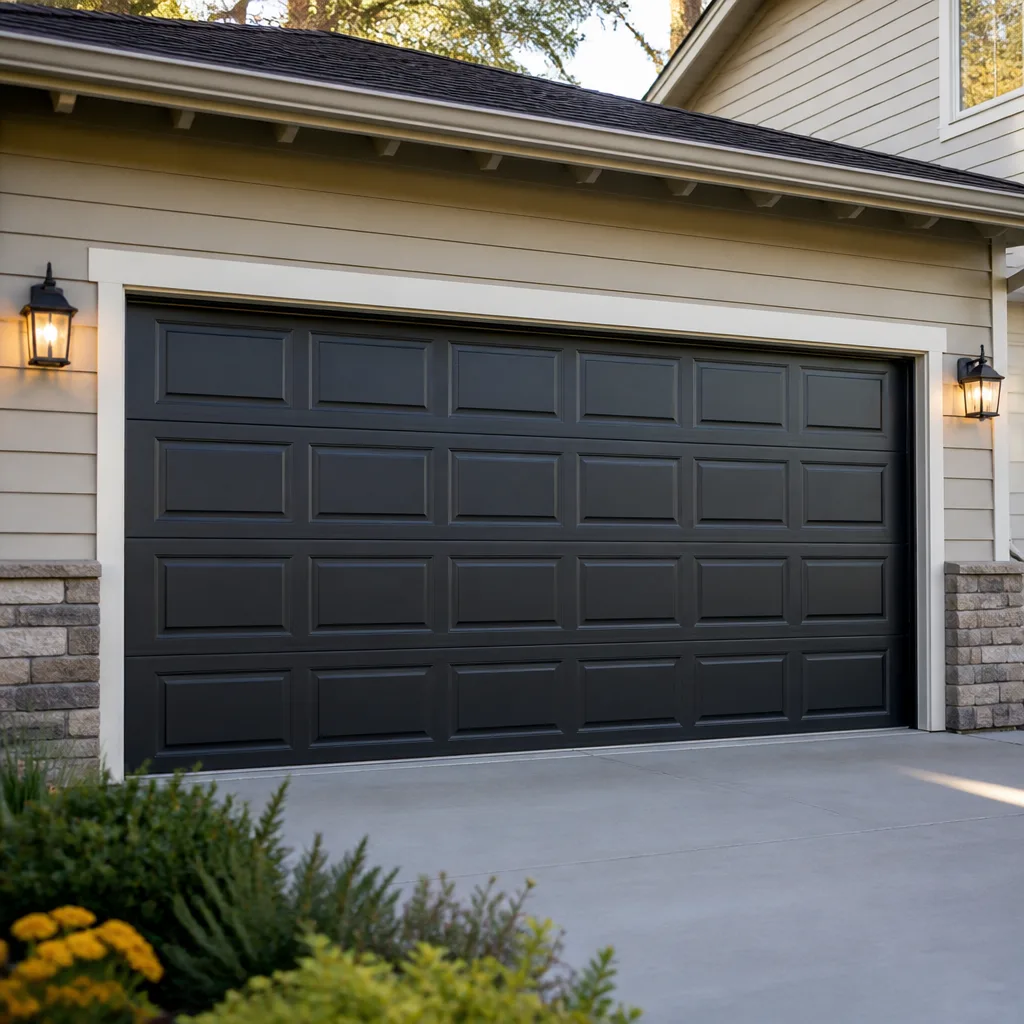 Raised-panel steel
 Carriage house
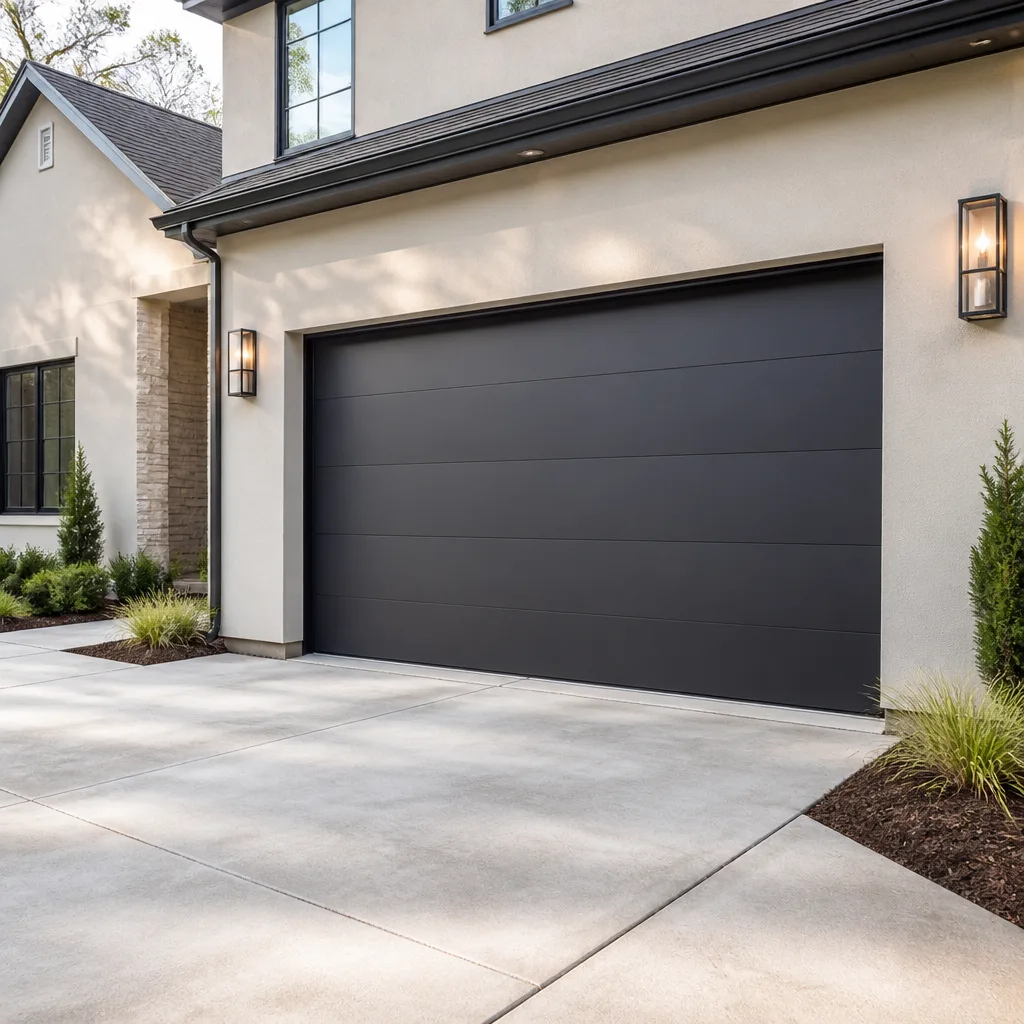 Modern flush
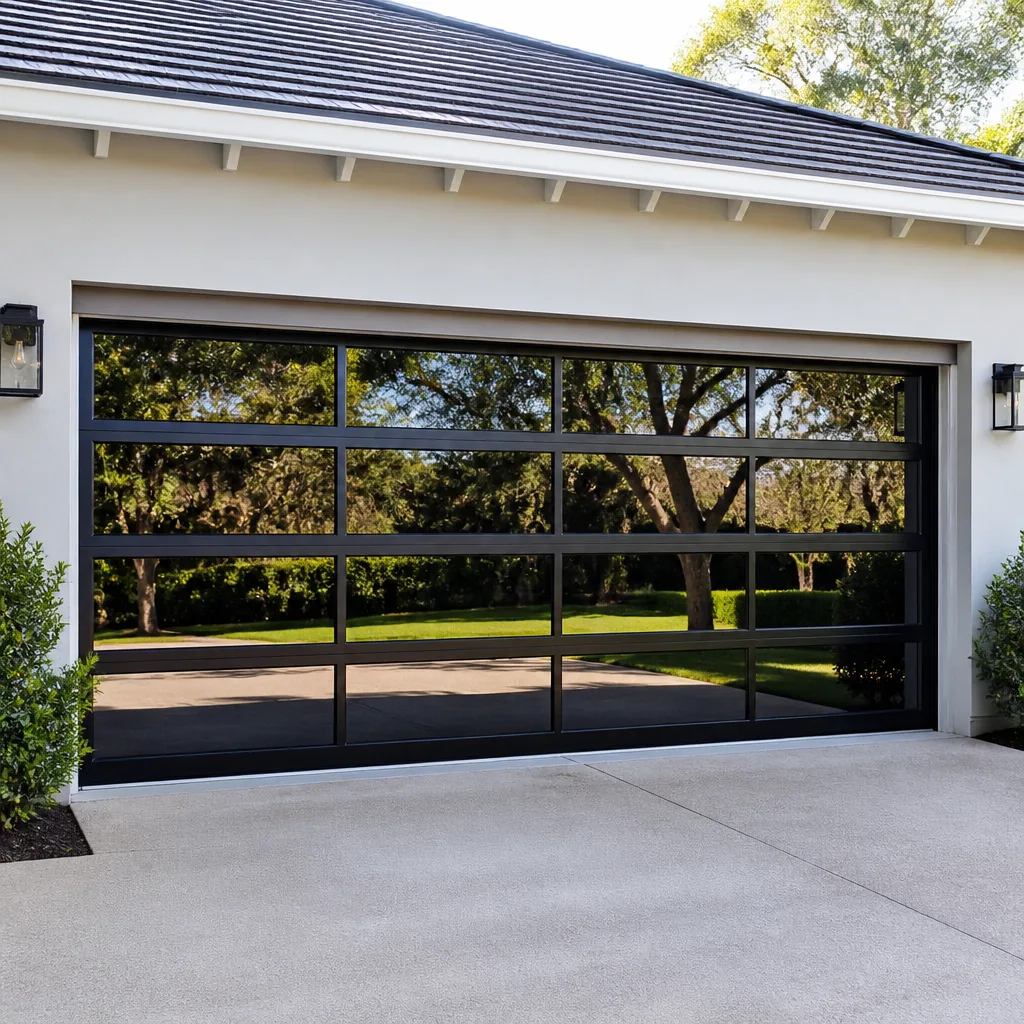 Full-view glass
 LiftMaster openers
 Chamberlain openers
Full 25-point door and opener safety check with every visit - springs, cables, rollers, tracks, and your LiftMaster or Chamberlain opener included
You get a price before we start. It does not change when the pro arrives.
Get your free estimateGarage Door Permits, Codes & Inspections in Texas City, TX: What You Need to Know
Most homeowners in Texas City assume swapping a garage door is paperwork-free. It isn’t, not when your parcel sits in a flood zone and your policy carries a wind-resistance condition. A door that meets code on paper but doesn’t match what the insurer asked for can leave a claim open to denial long after the installers have packed up. This guide walks through when the City of Texas City wants a permit, how wind zones and flood zones overlap, what an “approved impact-rated door” really means on a certificate, and how inspection sign-off protects you at resale. You’ll finish knowing which garage door work in Texas City needs a permit and which doesn’t.
Quick Answer
In Texas City, replacing a garage door almost always requires a permit and an inspection sign-off because the door is part of the building envelope and must meet wind-load design pressure for your wind zone. Repairs that don’t change the door’s structure or rating – opener swaps, spring replacement, track adjustments – usually don’t need a permit, but you should still document the work for your insurer. Always confirm the exact requirement with the City of Texas City building department before work starts.
Styles & brands we work with
- Raised-panel steel
- Carriage house
- Modern flush
- Full-view glass
- LiftMaster openers
- Chamberlain openers
Table of Contents
- When does Texas City require a permit for garage door work?
- What wind zone is Texas City in, and what design pressure does your door need?
- How flood zone designation changes garage door installation standards
- “Impact-rated” on an insurance certificate vs. a sales sheet
- The inspection sign-off process, step by step
- Why permit paperwork matters when you sell
- Repair vs. replacement: what triggers the permit conversation
- Common mistakes to avoid
When does Texas City require a permit for garage door work?
The City of Texas City requires a permit for garage door replacement, not for every repair. The line is the building envelope: if you’re changing the door itself, the tracks it hangs from, or anything that affects how the door performs under wind pressure, plan on a permit. If you’re turning wrenches on a mechanism inside the existing opening, you’re usually in repair territory.
Here’s the breakdown we walk homeowners through most often:
- Full door replacement: Permit required. The new door must meet the design pressure for your wind zone, and the city wants documentation of that before sign-off.
- Opener replacement or repair: No permit. The opener isn’t part of the wind envelope. That covers a LiftMaster rebuild as much as a basic motor swap.
- Spring repair (torsion or extension): No permit. Springs are mechanical, not structural. That said, spring repair is high-tension work and not a DIY project, whatever the permit status.
- Track or roller replacement: Usually no permit unless the door is coming out of the opening to accommodate the work.
- Panel replacement on a rated door: Often requires a permit because a mismatched panel can break the door’s rated performance. Ask before you order the panel.
- Cosmetic changes (paint, hardware, weatherseal): No permit.
The rule of thumb: if the door’s wind-resistance rating is changing or being re-established, the city wants to see it. If it isn’t, most interior mechanical work is a “just call us” job. When in doubt, a two-minute phone call to the building department settles it. We’d rather you ask first than tear out a door and learn the hard way.
For homeowners whose primary question is mechanical rather than regulatory, our garage door repair page covers the practical side. This guide stays on the permit and code track.
What wind zone is Texas City in, and what design pressure does your door need?
Texas City sits in a coastal wind zone, and the Texas Residential Code requires garage doors in that zone to be rated for a specific design pressure. That pressure is written into your local building requirements, and it’s higher than what an inland door has to hold. When you replace a garage door here, you can’t just pick whatever the box store has on the floor.
Design pressure is expressed as a rating (like a PSF number or a code-based label) and represents how much wind load the door must resist without failing. A door installed to the wrong rating may look fine on a calm day but fail under a real wind event. Worse, an under-rated door can be the reason an insurance claim stalls.
What that means in practice:
- Check your home’s wind zone before ordering a door. Your area’s design pressure requirement tells you the minimum rated product. The city building department can confirm your zone.
- Buy a door rated for that pressure, not just “impact-rated.” Those are not the same claim. A product can be labeled impact-resistant without being rated to the design pressure your zone requires.
- Ask for the manufacturer’s rating certificate in writing. Clopay, Amarr, and Wayne Dalton all publish rated products for coastal installs. The certificate is the document the city and your insurer want to see.
- Confirm the install will follow the rated detail. A rated door hung with non-rated brackets or track isn’t a rated opening. The certificate covers the assembly, not just the panel.
In our experience, the surprises here come from homeowners shopping by aesthetic first. A door that looks right and rates right is achievable in Texas City – you just have to check the rated product for your wind zone before the order goes in, not after delivery.
How flood zone designation changes garage door installation standards
A large share of Texas City parcels sit in Special Flood Hazard Areas, many in AE or VE zones. If you’re in one of those, the garage door isn’t just a code item – it’s an insurance item. The integration matters because the same door has to satisfy both the city’s wind-load requirement and whatever your flood policy specifies about openings.
Here’s how the two overlap in Texas City:
- AE zones: The flood-risk designation on your parcel determines the expected water depth in a base flood event. A door rated for wind but not specified for the flood exposure can still be a problem if the claim comes up.
- VE zones: Higher hazard, and installation details (anchoring, sealing) get more scrutiny. The door product needs to match the wind zone and the exposure.
- Flood openings and vents: Some garage openings include flood venting or breakaway specifications. Those details are part of the installation, not an afterthought.
- Insurer requirements vary: Not every policy spells out the same language. Read your policy and ask your insurer what documentation they’ll want after replacement.
The critical point is that a flood-zone garage door is a rated assembly, not just a panel. Replacing one without a permit and without the right paperwork can create a gap between what your insurer expects and what’s actually in your opening. That gap doesn’t show up until you need the coverage. Avoid it by treating the flood zone as part of the job, not a sidebar.
If you’re weighing a door swap against a fix, our overview at Texas City Garage Door Repair Pros explains the full service range and which route makes sense.
“Impact-rated” on an insurance certificate vs. a sales sheet
The phrase “impact-rated” gets used loosely. On a sales sheet, it can mean the manufacturer tested a product to a standard. On an insurance certificate, it has to mean the door installed at your address meets the specific requirement in your policy and the city’s code. Those aren’t always the same document.
Here’s the distinction we explain to homeowners:
- Sales spec sheet: The manufacturer’s marketing document. It says the product meets certain standards. Useful, but not property-specific.
- Product certification: A technical document showing the door’s tested rating – the design pressure number, the standard it was tested to, and the assembly details. This is what the city is looking for.
- Insurance certificate of installation: A document that ties the specific installed door at your address to a rating. Often provided by the installer, sometimes required by the insurer. This is the document that survives a claim review.
A homeowner with a beautiful door and only a sales sheet is missing the part that actually protects them. When you buy a new garage door in Texas City, ask three things: the design-pressure rating, the manufacturer’s rating certificate, and whether the installer provides a documented installation record. If the answer to any of those is vague, slow down.
This is also where brand familiarity helps. If your home has a Raynor or LiftMaster system and you’re weighing a replacement, a technician who knows that hardware already knows which rated products pair with it. You don’t have to cross-reference the whole catalog yourself.
The inspection sign-off process, step by step
After the door is installed and the permit is filed, Texas City requires an inspection sign-off. The sign-off is what makes the permit closed – without it, the permit sits in an incomplete state and the property has an open code record that can surface at sale.
- 1
Permit filed before work begins. The permit application identifies the door product, the design pressure, and the installer. Work done before the permit is filed is the biggest paperwork problem we see.
- 2
Installation. The door goes in to the rated detail, with the rated bracket and track. Keep the manufacturer’s certificate and any rating label on file.
- 3
Inspection requested. The installer or homeowner schedules the inspection with the city. Have the certificate, the permit number, and any product labels ready.
- 4
Inspector reviews the opening. The inspector checks the door, the anchors, the rated labeling, and the documentation. They’re confirming the installed product matches what was permitted.
- 5
Sign-off recorded. The permit is closed and the sign-off is filed against the property. Keep a copy with your home records.
In our experience, sign-offs move fast when the paperwork is complete and slow down when a label can’t be found or the product doesn’t match the permit. That’s not a city problem – it’s a “the paperwork wasn’t kept” problem. A clean install with the right documents inspected on the first try is the goal, and it’s very achievable.
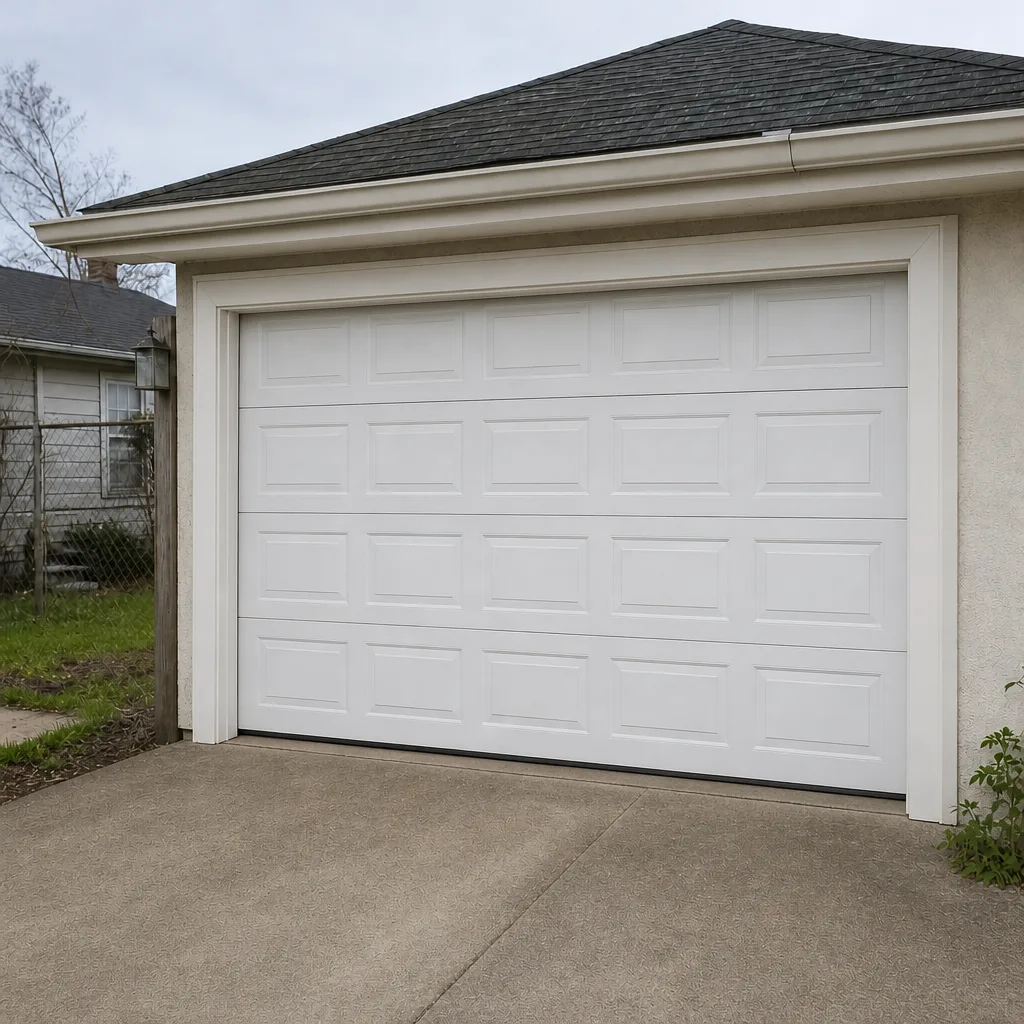
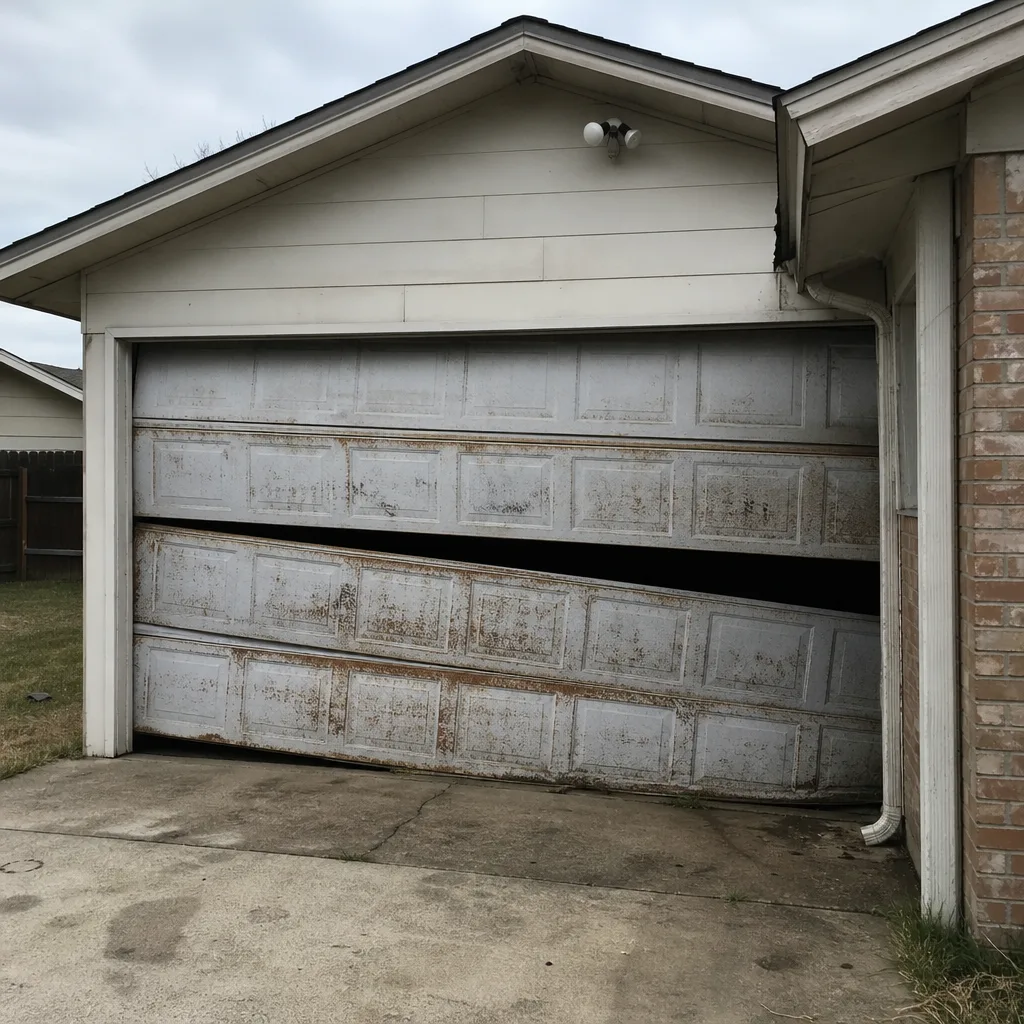
See the difference
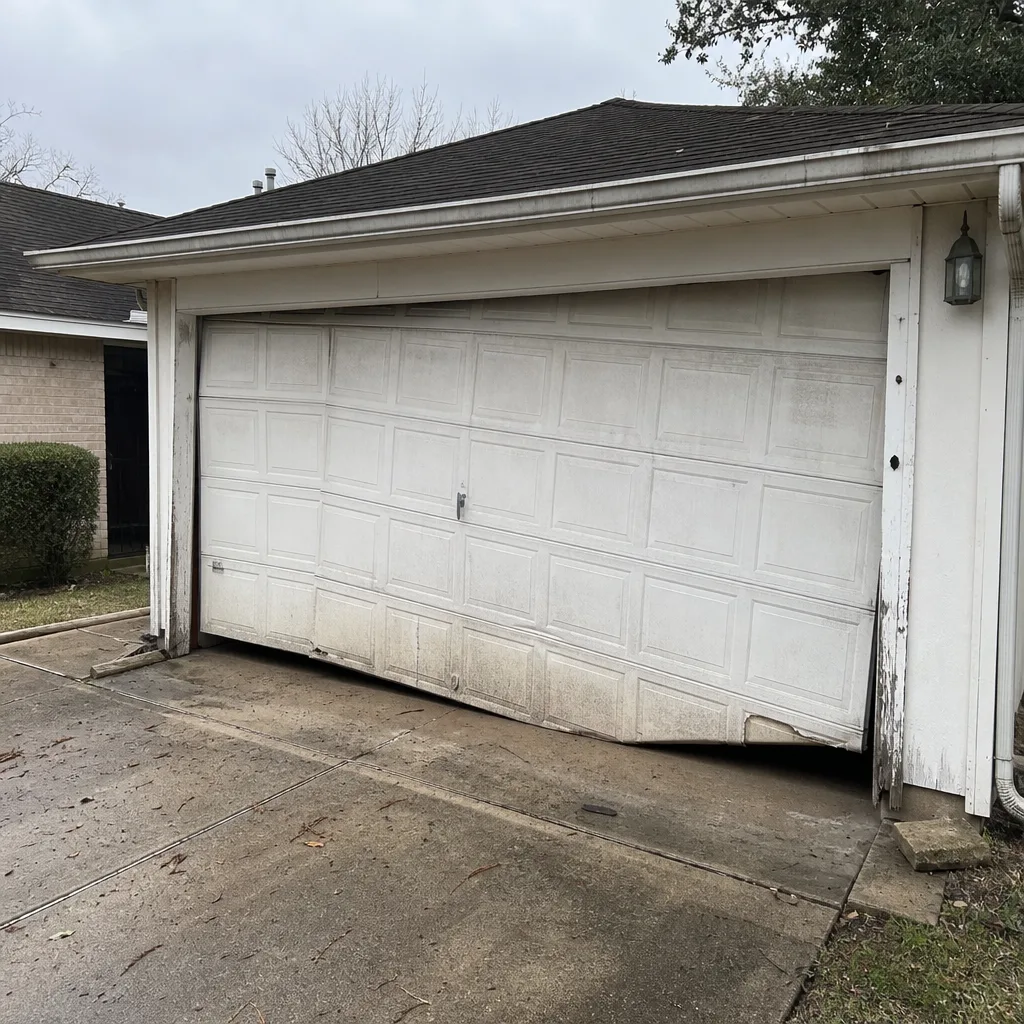 Before
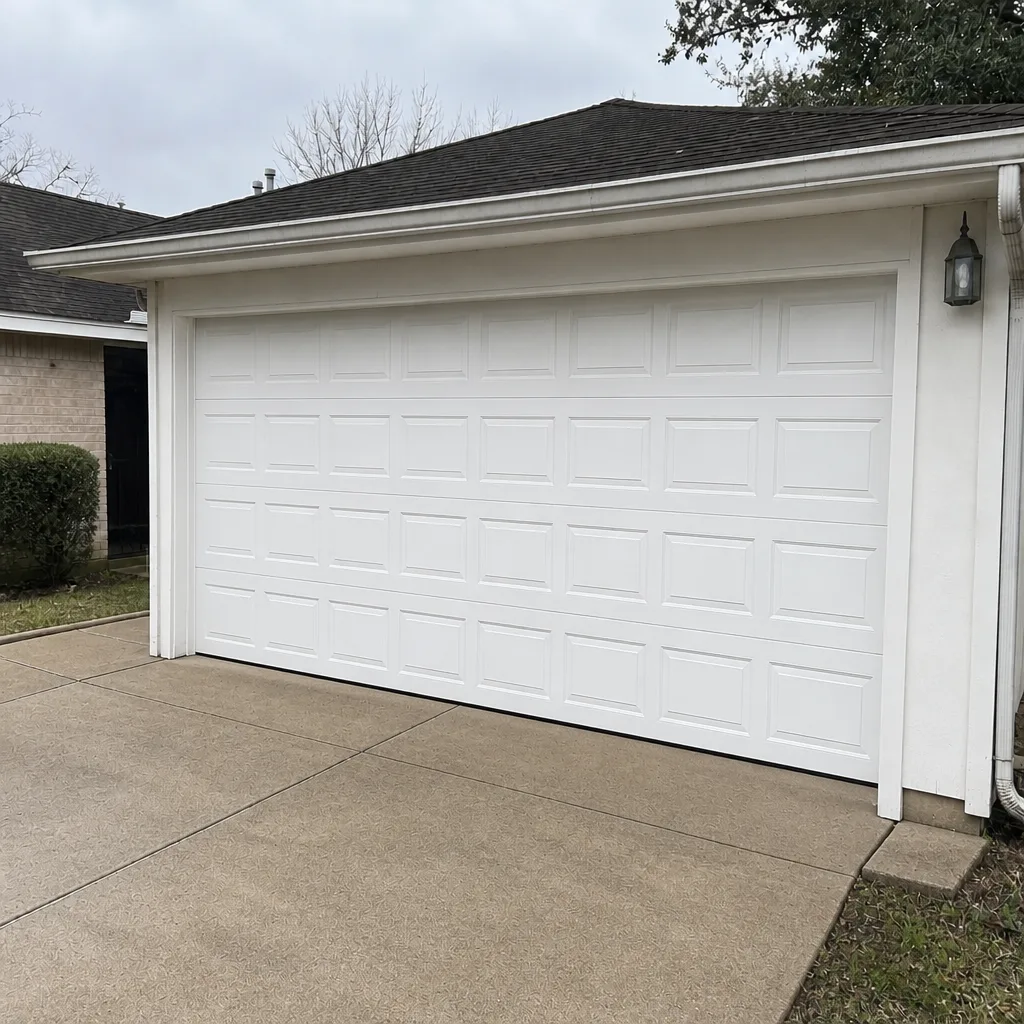 After
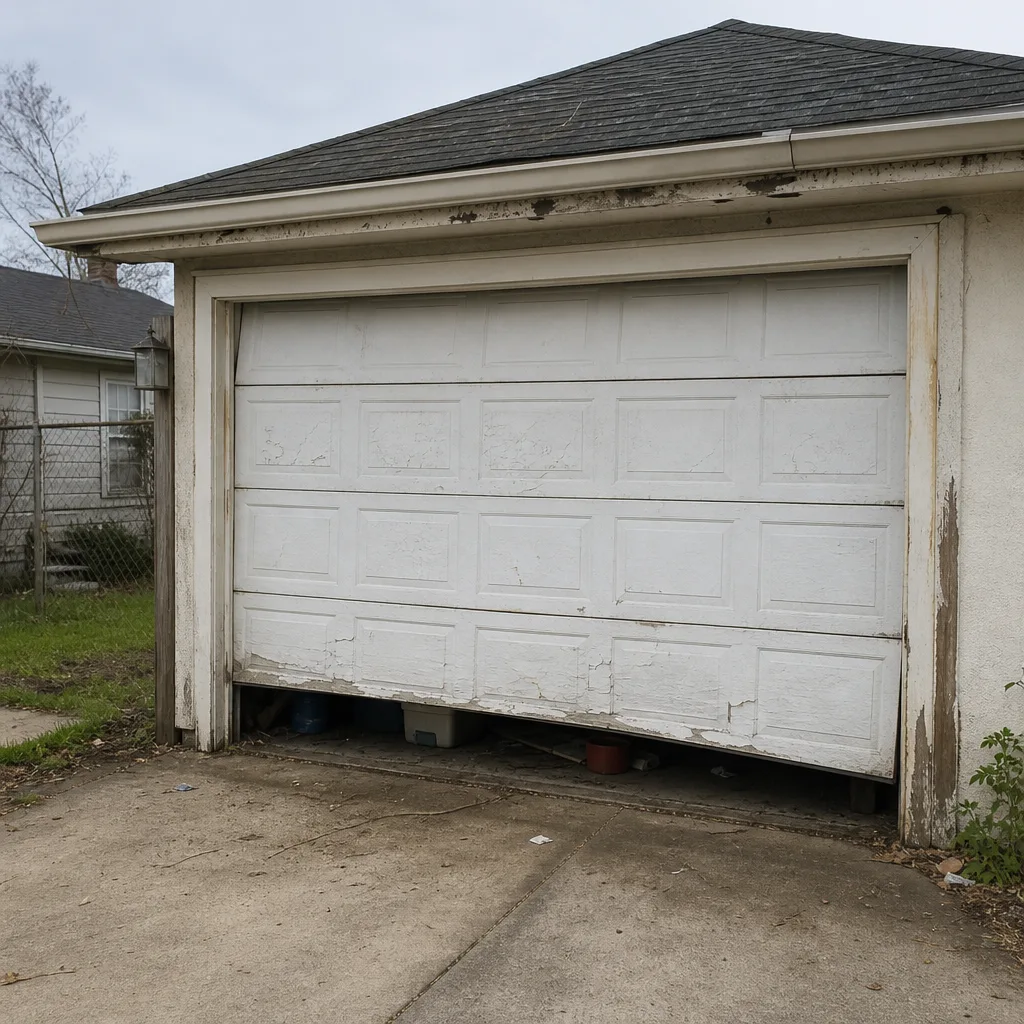 Before
 After
 Before
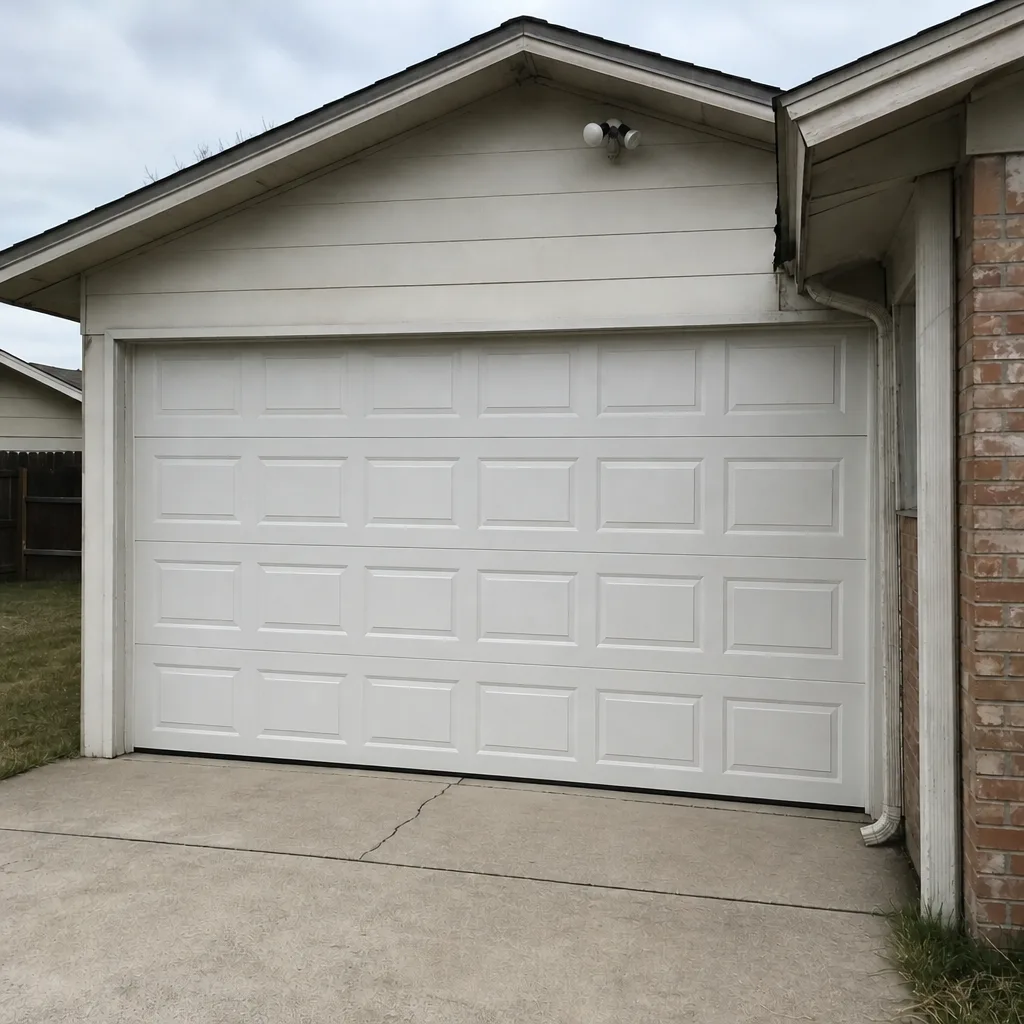 After
Why permit paperwork matters when you sell your home
When you sell, the buyer’s inspector will look at the garage door, and the title company will look at the property’s open permits. An unpermitted replacement is a disclosure item at minimum and a negotiating vehicle at worst. A properly closed permit with sign-off is a clean record – and a document the buyer’s insurer can reference.
What sellers should have ready:
- The permit number and sign-off record.
- The manufacturer’s rating certificate for the installed door.
- The installation documentation from the installer.
- Any insurer documentation from a post-replacement review.
If you’re the buyer and you’re looking at a Texas City home with a door that looks new but has no record of the work, ask. A door replaced without a permit and without matching documentation isn’t necessarily a deal-breaker, but it’s the kind of thing that’s easier to sort out before the closing than after.
If you’re already mid-sale and need a repair to pass inspection, our garage door opener repair coverage explains what’s involved in resolving the opener side quickly. Spring and panel issues follow the same repair-first logic but carry the permit conversation if the door itself has to come out.
Repair vs. replacement: what triggers the permit conversation
The easiest way to think about it: if the door is staying in its opening, you’re in repair. If it’s coming out and a new one is going in, you’re in permit territory. That line holds most of the time in Texas City, with a few edge cases.
Typical repair scenarios (usually no permit):
- Torsion or extension spring failure – our garage door spring repair specialists handle this as a dedicated job because of the tension involved.
- Opener not responding, reversing, or losing its travel settings – common across LiftMaster, Chamberlain, Genie, and Craftsman units.
- Off-track door that can be reset without replacing track.
- Roller, hinge, and cable replacement on an existing door.
- Weatherseal replacement at the bottom.
Typical replacement scenarios (permit and sign-off):
- Door is structurally damaged and can’t be repaired to its rated condition.
- Homeowner is upgrading to a rated product for insurance or code reasons.
- Door won’t match a new wind-load requirement after a change in the property’s designation.
- Panel replacement that changes the rated assembly on a rated door.
If you’re not sure which side you’re on, describe the issue to us and we’ll tell you straight. We work on LiftMaster, Chamberlain, Genie, Clopay, Amarr, Wayne Dalton, Craftsman, and Raynor systems, and our technicians have up to 9 years of experience. We’ll tell you what we’d tell a neighbor.
Common Mistakes to Avoid
- Skipping the permit because the installer said it was “just a swap.” Door replacement in Texas City is a permitted job for a reason. Skipping it puts the property’s record in an open state and can affect a future claim.
- Buying an impact-rated door without checking the design pressure for the wind zone. “Impact-rated” is a marketing phrase; “rated to the design pressure for the zone” is the code requirement. The two aren’t interchangeable.
- Letting the sales sheet stand in for the certification. Your insurer may want an installation certificate that references your address, not a brochure. Ask for the document before the invoice clears.
- Not checking the flood zone before the install. AE and VE designations change the installation detail. Confirming the zone first keeps the job and the paperwork aligned.
- Losing the sign-off record. An unclosed permit surfaces during a sale. Keep the sign-off with your home records; it’s the one piece of paper that ends the conversation.
- Letting a handyman handle spring work. The permit isn’t the problem; the tension is. Spring repair is high-tension work, regardless of which approval is required.
- Assuming a permit for a spring replacement. The opposite mistake – spring, opener, and track repairs don’t need a permit, and asking a handyman to file one for a repair is wasted effort.
When to Call a Professional
Call a technician if the opener stops responding and the door won’t open from either control, if a spring has visibly snapped or the door feels extremely heavy lifting by hand, if the door is off its track or the panels are separating, or if you’re planning a door replacement and need the permit question answered before you order a product. Emergency service is a real offering here, not a listing page – if you’re locked out or a door is stuck open in Texas City, that’s a call worth making. Texas City Garage Door Repair Pros offers free estimates in Texas City – call (844) 443-3807. We answer 24/7. Fast dispatch from 7am to 7pm.
Frequently Asked Questions
Yes. Replacing a garage door in the City of Texas City requires a permit and an inspection sign-off because the door is part of the building envelope and must meet wind-load design pressure for the local wind zone. Confirm the exact requirement with the City of Texas City building department before work starts; they can also confirm your zone. For a quote on the install side, call (844) 443-3807 – estimates are free.
No. Opener and spring repairs don’t change the building envelope, so they don’t require a permit in Texas City. That covers repair on LiftMaster, Chamberlain, Genie, and Craftsman units as much as torsion or extension spring work. Spring work is still high-tension and should be left to a technician. Call (844) 443-3807 for an exact quote.
“Impact-rated” describes a tested performance standard, while a design-pressure rating is the specific number the door must meet for your wind zone. A door can be impact-rated without meeting your zone’s design pressure, so both have to be confirmed. Ask for the manufacturer’s certificate before you order. Call (844) 443-3807 for a free estimate on a rated replacement.
If your Texas City parcel is in an AE or VE flood zone, the garage door installation has to satisfy both the wind-load requirement and whatever your flood policy specifies about the opening. Some policies require specific documentation after replacement, and installation details differ between zones. Read your policy and ask your insurer what they’ll want. Call (844) 443-3807 to talk through the install.
No, the written estimate is the price. We quote before any work starts, and the number on the estimate is what you pay – no surprise invoice after the garage is already disassembled. The free estimate is based on what we actually find. Call (844) 443-3807 and we’ll get you a written number.
The local professional we connect you with is licensed and insured as their state requires. Our technicians have up to 9 years of experience and are familiar with the major brands – LiftMaster, Chamberlain, Genie, Clopay, Amarr, Wayne Dalton, Craftsman, and Raynor – so they’re not learning your system on the job. Call (844) 443-3807 for a free estimate.
We answer 24/7. A call outside dispatch hours is booked into the next opening, Sunday through Friday, 7am to 7pm. We’re closed on Saturday, so a Saturday failure gets scheduled into Sunday rather than pushed to the following week. Call (844) 443-3807 and we’ll get you on the schedule.
The Bottom Line
In Texas City, replacing a garage door is a permitted, inspected job because the door is part of the building envelope and has to meet wind-load design pressure for your zone. Opener repairs, spring replacements, and track fixes usually aren’t permitted work, but the difference between a rated door and a good-looking one matters for both the city and your insurer. Keep the certificate, keep the sign-off, and confirm your flood zone before the install. If you’re not sure which side of the permit line you’re on, that’s a conversation worth having before the door comes out. Call (844) 443-3807 for a free estimate and a straight answer.
Written by the team at Texas City Garage Door Repair Pros.