
Last updated November 23, 2026
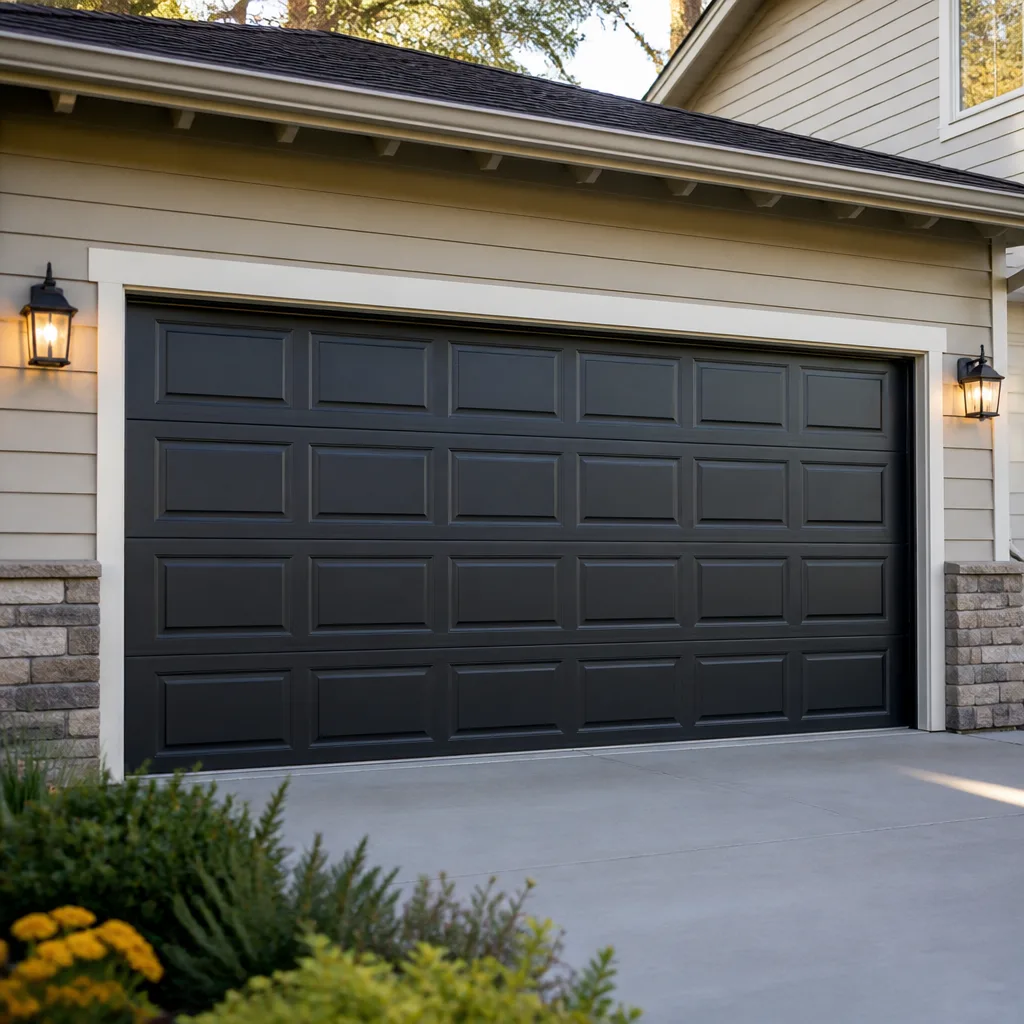 Raised-panel steel
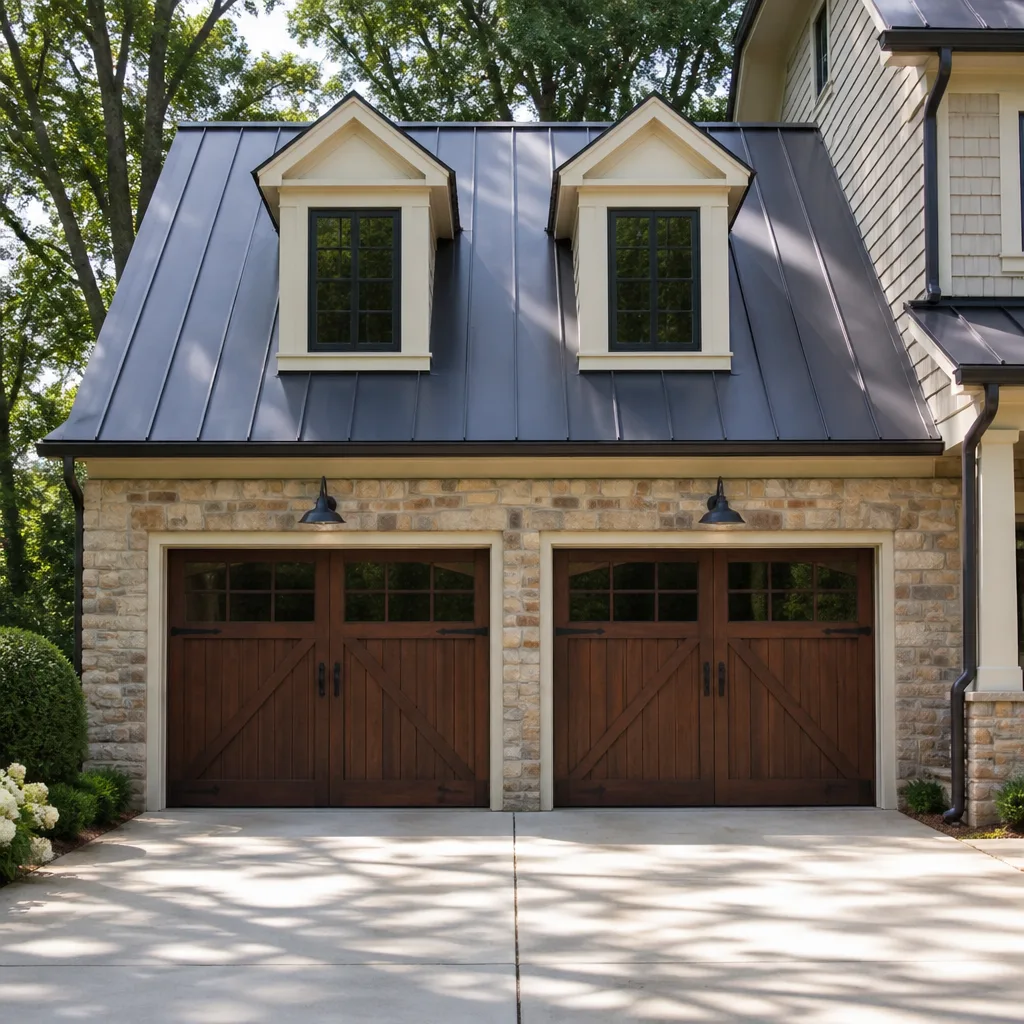 Carriage house
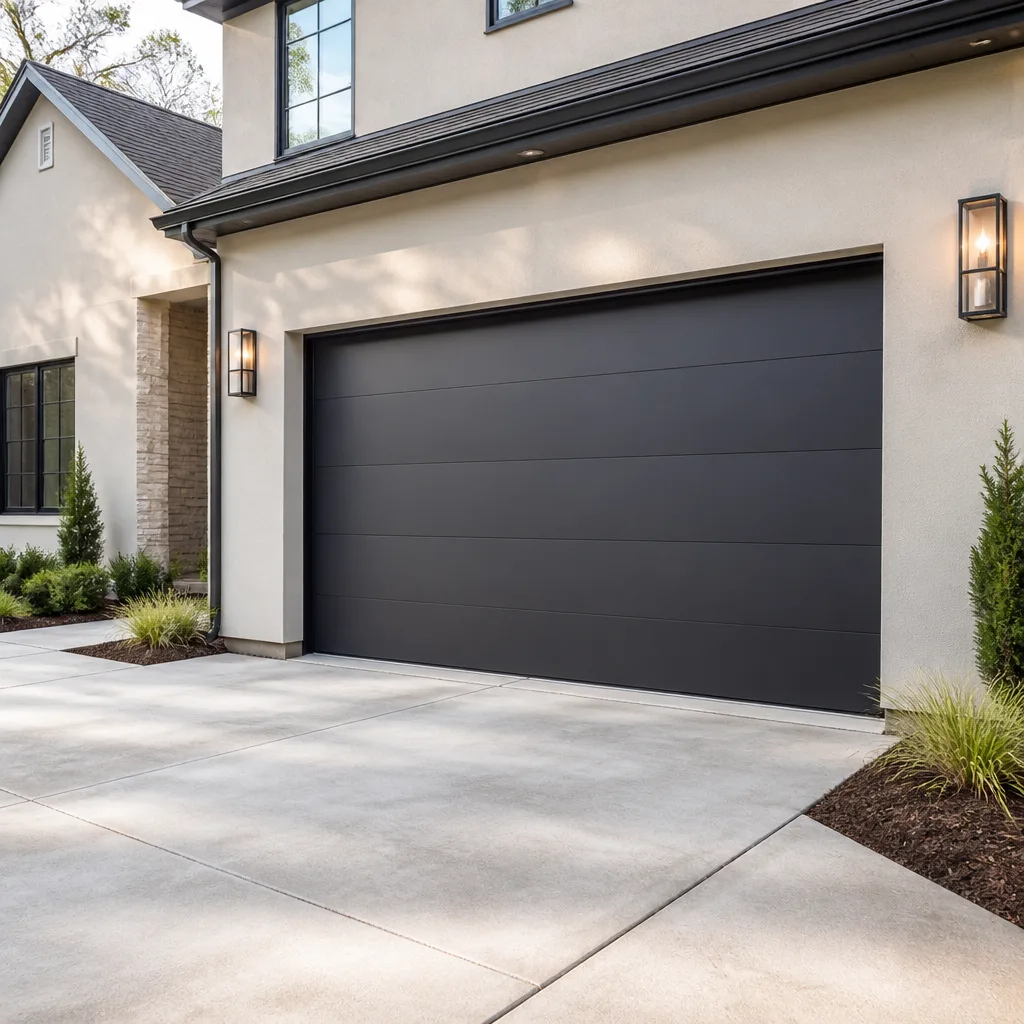 Modern flush
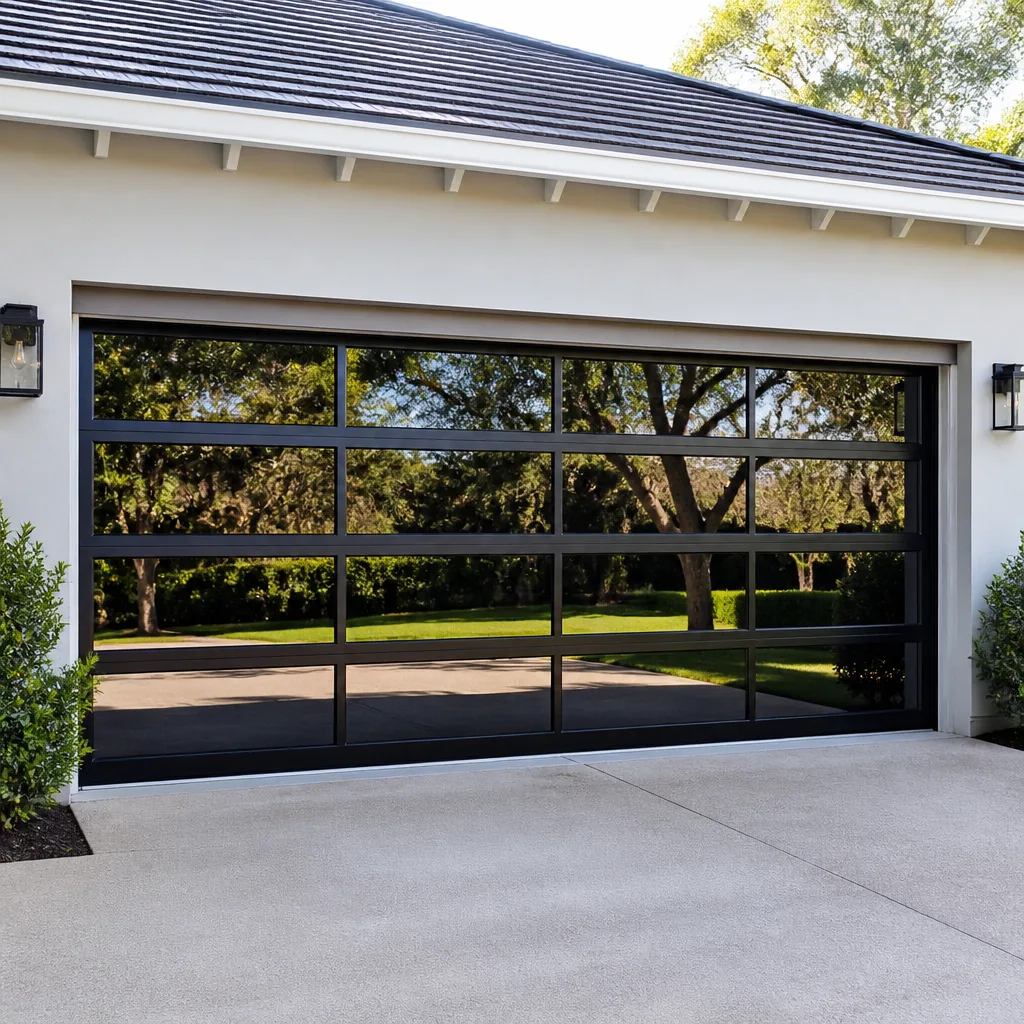 Full-view glass
 LiftMaster openers
 Chamberlain openers
Full 25-point door and opener safety check with every visit - springs, cables, rollers, tracks, and your LiftMaster or Chamberlain opener included
You get a price before we start. It does not change when the pro arrives.
Get your free estimateGarage Door Emergency Preparedness Guide for Texas City Homes
When the National Hurricane Center posts a watch for the upper Texas coast, Texas City homeowners have roughly 48 hours to decide whether their garage door is staying up, being secured, or being abandoned. Most people spend those hours on plywood and water and never once test their manual release or check what hurricane bracing actually requires for their specific door. A garage door is usually the widest opening on a house, and the one most likely to be left unsecured. This guide covers what to do before a storm, what to do the moment a door fails, and how to document damage so an insurance claim goes smoothly. It’s written for Texas City homes and the equipment that’s actually in them.
Quick Answer
Garage door emergency preparedness in Texas City means three things: knowing how to release your opener manually before you need to, knowing how to secure a door that won’t latch, and knowing what to photograph after storm damage before you touch anything. The most common failure we see isn’t a broken spring at midnight. It’s a door that won’t close because the trolley re-engaged during a power loss, or a track knocked out of alignment by wind-driven debris. Both are preventable with a few minutes of preparation.
Styles & brands we work with
- Raised-panel steel
- Carriage house
- Modern flush
- Full-view glass
- LiftMaster openers
- Chamberlain openers
Table of Contents
- The Manual Release Procedure for the Openers in Texas City Homes
- Pre-Storm Protocol: Wind Speed, Power, and When to Stop Operating Your Door
- How to Temporarily Secure a Door That Won’t Latch or Close
- What to Document After Storm Damage for Your Insurance Claim
- What Hurricane Bracing Actually Requires for Your Door
- Realistic Response Windows After a Named Storm vs. a Routine Call
- Why Spring Repair Is High-Tension Work
The Manual Release Procedure for the Openers in Texas City Homes
Every garage door opener has a manual release, and almost nobody tests it before they need it. Pulling the release cord disconnects the door from the opener so you can lift it by hand. That sounds simple. The step most people skip is what happens after: the trolley can slide back down the rail and re-engage the carriage, which means the door locks back onto the opener when you least want it to. That failure happens mid-storm when a homeowner pulls the release, opens the door by hand, and then can’t get it to reconnect or stay open.
Here’s the sequence that actually works:
- Close the door completely first. The release is designed to be pulled with the door in the down position, not mid-travel.
- Pull the release cord down and toward the door. You should hear the carriage click free of the trolley.
- Lift the door by hand and prop it. If you’re going to leave it open, secure it with something solid, because a disconnected door has no opener holding it.
- To reconnect, pull the release cord again while the door is closed, then run the opener once. The carriage should snap back onto the trolley as the opener travels.
The brands we work on most in Texas City homes are LiftMaster, Chamberlain, Genie, and Craftsman, and the release mechanism is similar across all four. LiftMaster and Chamberlain units (including MyQ-connected models) use the same red-handled trolley release. Genie and Craftsman use a slightly different carriage design, and on some older Genie models the release cord runs at a different angle. If you’re not sure which style you have, look at the rail above the door and find the carriage; the release will be hanging from it.
The step people skip is testing the reconnect. Pull the release, close the door by hand, then pull it again and run the opener. If the door doesn’t re-engage, you have a problem to fix before storm season, not during it. We handle garage door opener repair on all four of those brands, and a stuck carriage is one of the most common calls we get after a power outage.
Pre-Storm Protocol: Wind Speed, Power, and When to Stop Operating Your Door
At what wind speed should you stop operating a garage door? Our rule of thumb is to stop running the opener once sustained winds reach roughly 40 mph in the forecast, or once a hurricane watch is posted for the upper Texas coast. Above that, the door panels act like a sail, the opener is fighting gusts it wasn’t designed for, and the risk of bending a track or stripping a gear increases fast. The door isn’t built to hold position against wind; it’s built to move up and down in calm air.
Before the storm arrives, do this:
- Disconnect the opener from power. Unplug it at the ceiling outlet. Power surges during and after a storm are a common way openers die, and a surge through the control board is not something you can troubleshoot in the dark. This applies to every brand we service, from Chamberlain to Raynor.
- Pull the manual release and leave the door in the down position. A door held down by gravity is more stable than one held by an opener that might lose power anyway.
- Check the bottom seal and the side tracks. If the door doesn’t sit flush against the floor, wind gets underneath and the door becomes a lever. Adjust or replace the bottom seal before the season, not during the watch.
- Clear the area in front of and behind the door. Anything loose in the garage that can be picked up by wind and thrown into a panel is a projectile.
- Photograph the door from the inside and outside. You’ll want a “before” shot for insurance purposes, and it takes 30 seconds.
For homes with Wayne Dalton or Amarr doors, check the manufacturer’s wind rating stamped on the door or in the paperwork. Some models are rated for specific wind loads, and knowing your rating tells you whether bracing is worth the effort or whether the door should just be left down and left alone. If you don’t have the paperwork, look for the label on the door itself or on the inside of one of the panels.
How to Temporarily Secure a Door That Won’t Latch or Close
After a storm or a hard jolt, a door that won’t close all the way is common. The trolley may be misaligned, a track may be bent, or the door may have jumped its rollers. You don’t need specialty hardware to hold it temporarily. You need what’s already in most garages: a length of 2×4, some wood screws, and a couple of clamps.
- Disconnect the opener. Pull the manual release so the opener can’t try to move a door that’s stuck.
- Lower the door as far as it will go by hand. If it stops a few inches off the floor, that’s fine.
- Cut a 2×4 to span the width of the opening, and screw it across the inside of the door frame at a height that stops the door from being lifted. This is a hold-down, not a lock. It won’t stop a determined person, but it will stop wind from pushing the door up.
- Clamp the door to the track on both sides if the door is partially up and you need to keep it from dropping. Use locking pliers or a C-clamp on the vertical track just above a hinge.
- Do not force the door. If the track is bent, forcing it open or closed can make the damage worse and turn a repair into a replacement.
This is temporary. A door held by a 2×4 and two clamps is not a door you should leave for a week, and it’s not a substitute for a properly seated door on aligned tracks. But it gets you through the night when the wind is still up and you can’t get a technician out yet. For a stuck door or a garage door repair call, we can look at it the next day and tell you whether it’s a track adjustment or a panel replacement.
What to Document After Storm Damage for Your Insurance Claim
The single biggest mistake after storm damage is repairing before the adjuster sees it. Once you’ve replaced a panel or straightened a track, the evidence is gone, and a claim gets harder to substantiate. Document first, repair second. Here’s the order that works:
- Photograph the damage from multiple angles before touching anything. Get the door from outside, from inside, and close-ups of any bent track, dented panel, or hanging spring.
- Photograph the “before” state if you have it. This is why the pre-storm photo matters. A comparison shot does more for a claim than a single damaged image.
- Write down the sequence of events. Date and time the damage happened, what the weather was doing, and what you observed. A short timeline is more useful to an adjuster than a paragraph.
- Save the door’s paperwork. The model number, wind rating, and installation documentation for a Clopay, Amarr, or Wayne Dalton door all matter to the claim.
- Get a written estimate before any repair is done. Our estimates are free and written, and they describe what’s damaged and what it takes to fix it. That document is what the adjuster needs.
- Don’t discard damaged parts until the claim is settled. An adjuster may want to see the bent track or the failed spring.
What not to repair before the adjuster visit: don’t replace panels, don’t straighten tracks, and don’t remove a broken spring. Secure the door if it’s unsafe, but leave the damage visible. In Texas City, a lot of storm damage is wind-driven debris rather than direct wind load, so photograph the debris and where it came from as well. It establishes cause.
What Hurricane Bracing Actually Requires for Your Door
Hurricane bracing isn’t a universal kit. It’s specific to your door’s width, its wind rating, and the construction of the opening. A single-car door and a double-car door take different bracing. A door rated for a certain wind load takes less bracing than an unrated one. What matters is finding the wind rating for your specific model, and if you can’t find it, asking the manufacturer.
The bracing itself is usually a set of vertical or horizontal steel members that attach to the door’s back face and transfer wind load to the tracks and the frame. It’s not something you can improvise with lumber, and it’s not something you install the day before a watch. Installation requires drilling into the door structure and aligning the bracing with the door’s hinge pattern.
Here’s what to check before you invest in bracing:
- Find your door’s wind rating. Look on the door, in the original paperwork, or with the manufacturer. Clopay and Amarr both publish wind-load ratings by model.
- Check the tracks and hinges. Bracing transfers load to the tracks, so a track that’s already loose or bent won’t hold. Fix that first.
- Check the opener’s power source. A braced door that’s still connected to a live opener during a storm defeats the point. The opener forces movement, and bracing is designed for a static door.
- Consider whether bracing makes sense for your door. On some older doors, bracing isn’t rated for the wind load in this area, and the better answer is replacement with a rated door.
A door that’s been braced should be checked after every named storm. Bracing hardware can loosen, and a single missing bolt turns a braced door back into an unbraced one. We handle garage door spring repair and bracing checks on the same visit when a door has been through a storm.
Realistic Response Windows After a Named Storm vs. a Routine Call
After a named storm, response times stretch. That’s true for every trade in Texas City, not just garage doors. The phone line is still answered, but dispatch is limited by road conditions, power restoration, and call volume. If you call the day after a storm, expect to be scheduled, not dispatched immediately. The realistic answer is that a storm-damaged door may wait a day or two, and the temporary securing advice above is what gets you through that window.
A routine call is different. A broken spring, an opener that won’t respond, or a door off its tracks on a normal day is usually same-day. We answer 24/7 and fast dispatch runs from 7am to 7pm. If a door fails on a Saturday, call and we’ll book you for Sunday, since we’re closed on Saturday. That’s the honest picture, and we’d rather tell you that than promise a response we can’t deliver.
What to do while you’re waiting after a storm:
- Keep the door in the down position and disconnected from the opener.
- Use the 2×4 hold-down described above if the door won’t stay closed.
- Photograph everything before any temporary repair, so the adjuster has a record.
- Don’t run the opener. A power surge after restoration is the most common way to lose a control board.
Emergency garage door service is a core part of what we do, not an upsell. But “emergency” for a door means a door that’s unsafe or open to the weather, not a door that’s inconvenient. If you’re not sure which you have, call us and we’ll help you decide.
Why Spring Repair Is High-Tension Work
A torsion or extension spring holds the entire weight of the door under tension, and when it fails it releases that energy in a fraction of a second. That’s why spring work is not a handyman job, and not a job for a homeowner with a YouTube video. Extension springs can whip if they break without a containment cable. Torsion springs can seriously injure anyone in the path of the winding bars. We’ve seen the aftermath of both, and it’s the one repair we’d tell every Texas City homeowner to leave alone.
What you can check safely:
- Look at the springs, don’t touch them. A gap in a torsion spring or a stretched extension spring means it’s failed and the door should not be operated.
- Listen for a bang. A loud snap from the garage usually means a spring has let go. Don’t run the opener after that sound.
- Check whether the door will lift by hand. If it’s much heavier than usual, a spring is likely broken.
Spring repair is a named specialty for us, not a generic line item on a service list. Our technicians have up to 9 years of experience, and spring work is one of the things they’re trained on across the brands we handle. If a spring has failed in Texas City, call us before you run the opener again. That’s the one piece of advice that holds across every door, every brand, and every storm.
Common Mistakes to Avoid
- Running the opener after a power surge. A surge through the control board is the most common cause of opener failure after a storm. Unplug it before the storm and leave it unplugged until the power is stable. This applies to every brand, including LiftMaster and Chamberlain MyQ units.
- Skipping the manual release test. A release that works fine in your head doesn’t necessarily work when you need it. Test it once now, not during a watch.
- Repairing before the adjuster sees it. A claim gets harder once the damage is gone. Photograph first, repair second.
- Forcing a door that’s off its tracks. Forcing a misaligned door turns a track adjustment into a panel and hinge replacement. Stop and call.
- Assuming bracing fits every door. Bracing is specific to your door’s width and wind rating, and a generic kit can do more harm than good. Check your door’s rating first.
- Ignoring a bottom seal that doesn’t sit flush. In Texas City, a gap under the door is where wind gets in. Replace the seal before the season, not after.
- Calling an emergency line for a routine job during a storm. Storm-day dispatch is limited. If your door is safe and closed, wait for a scheduled appointment and leave the emergency slot for a door that’s actually open.
See the difference
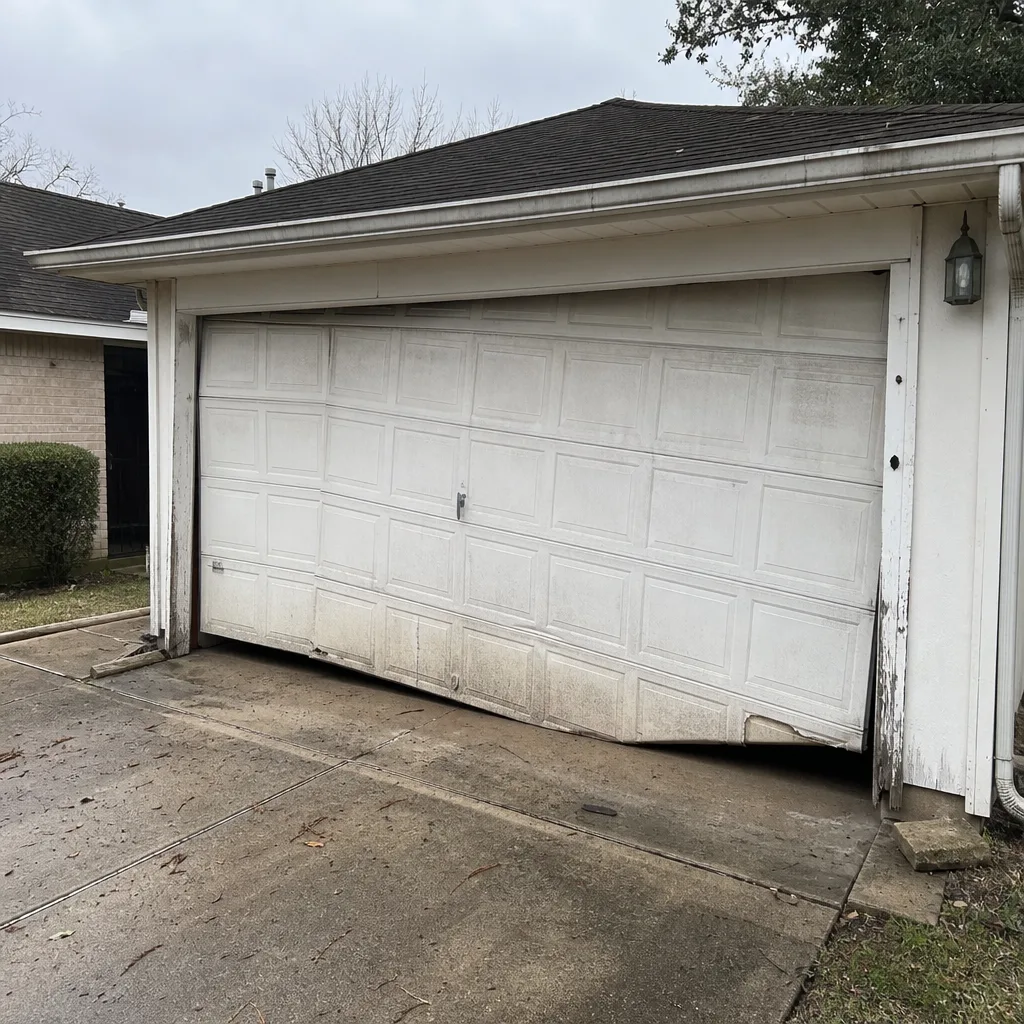 Before
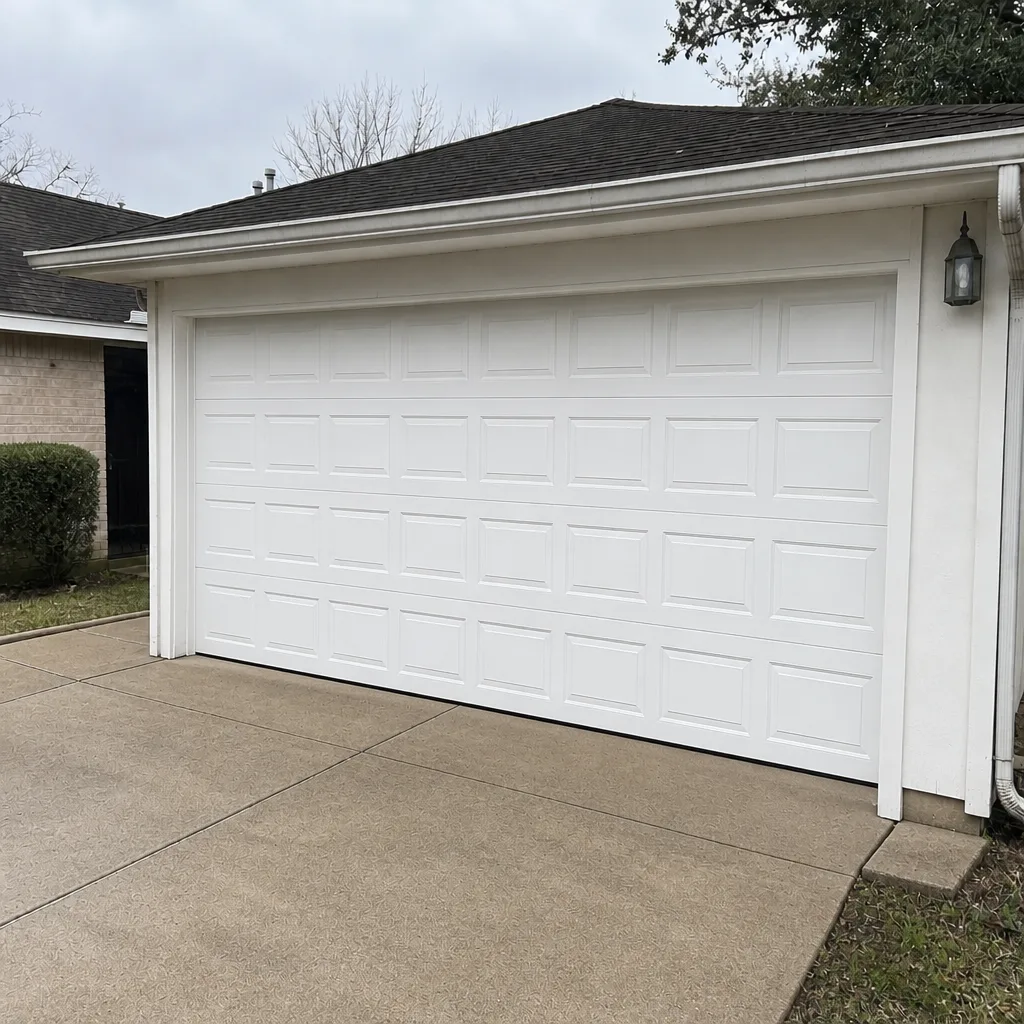 After
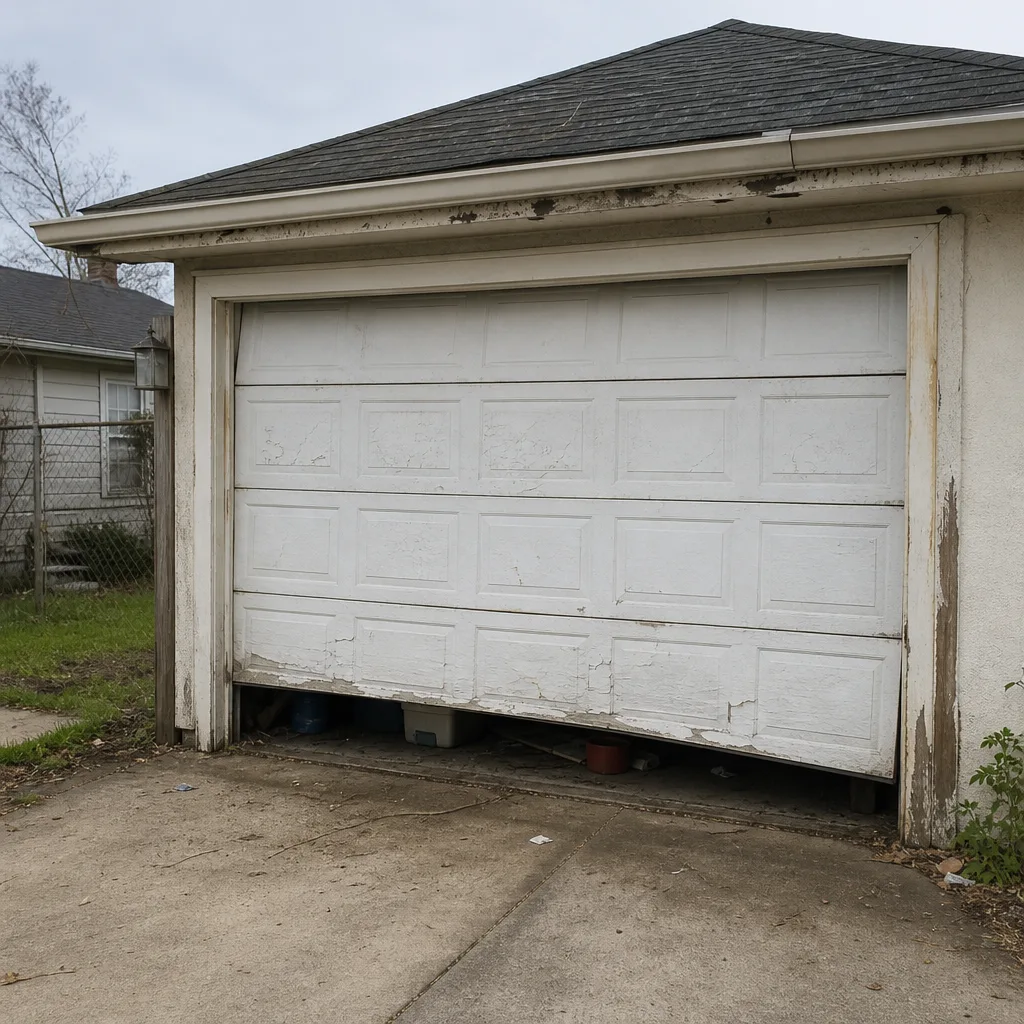 Before
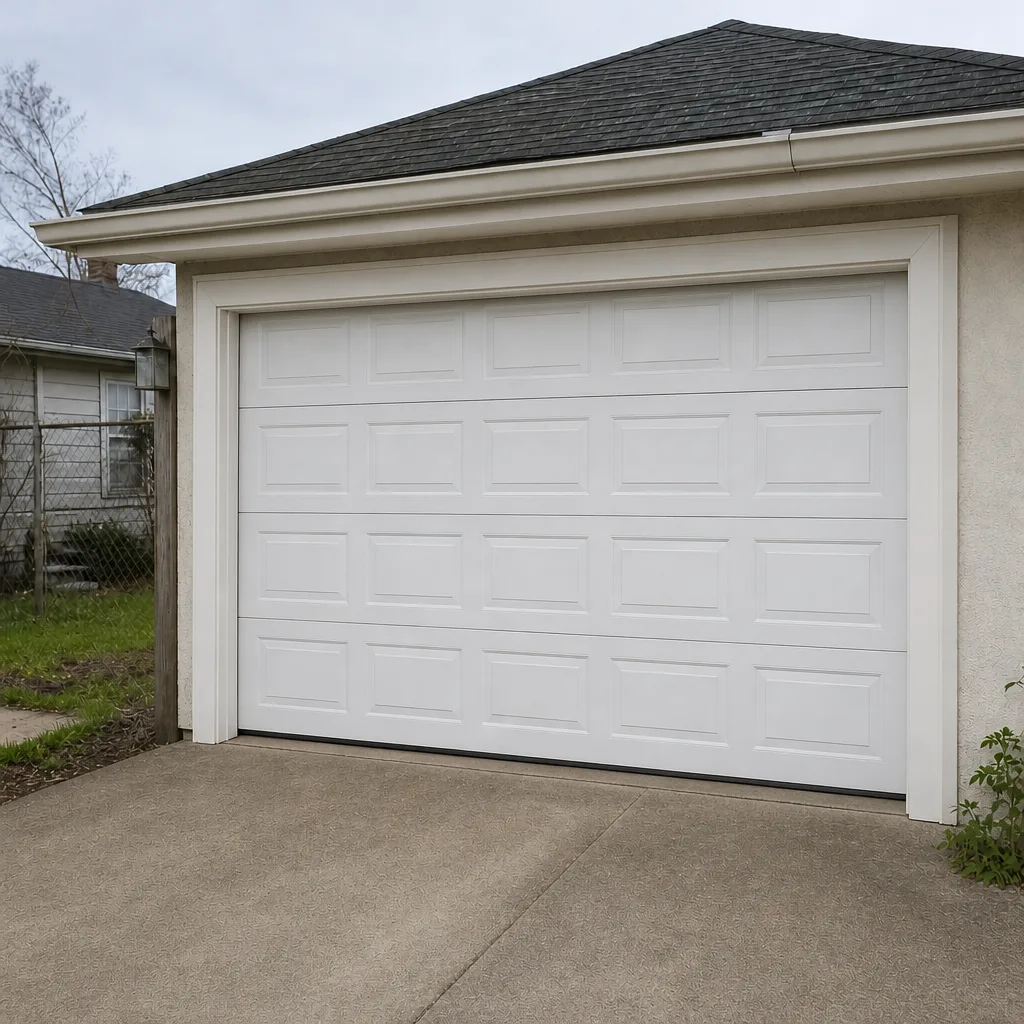 After
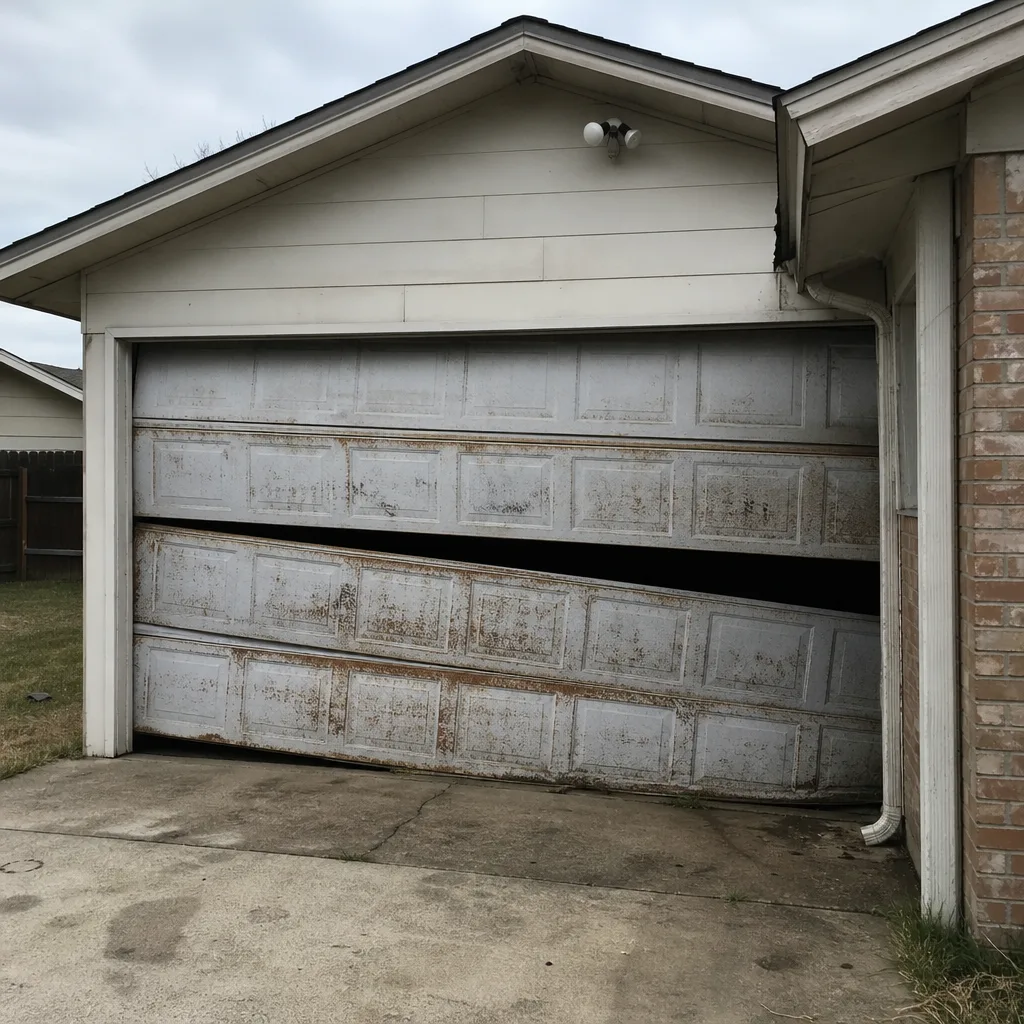 Before
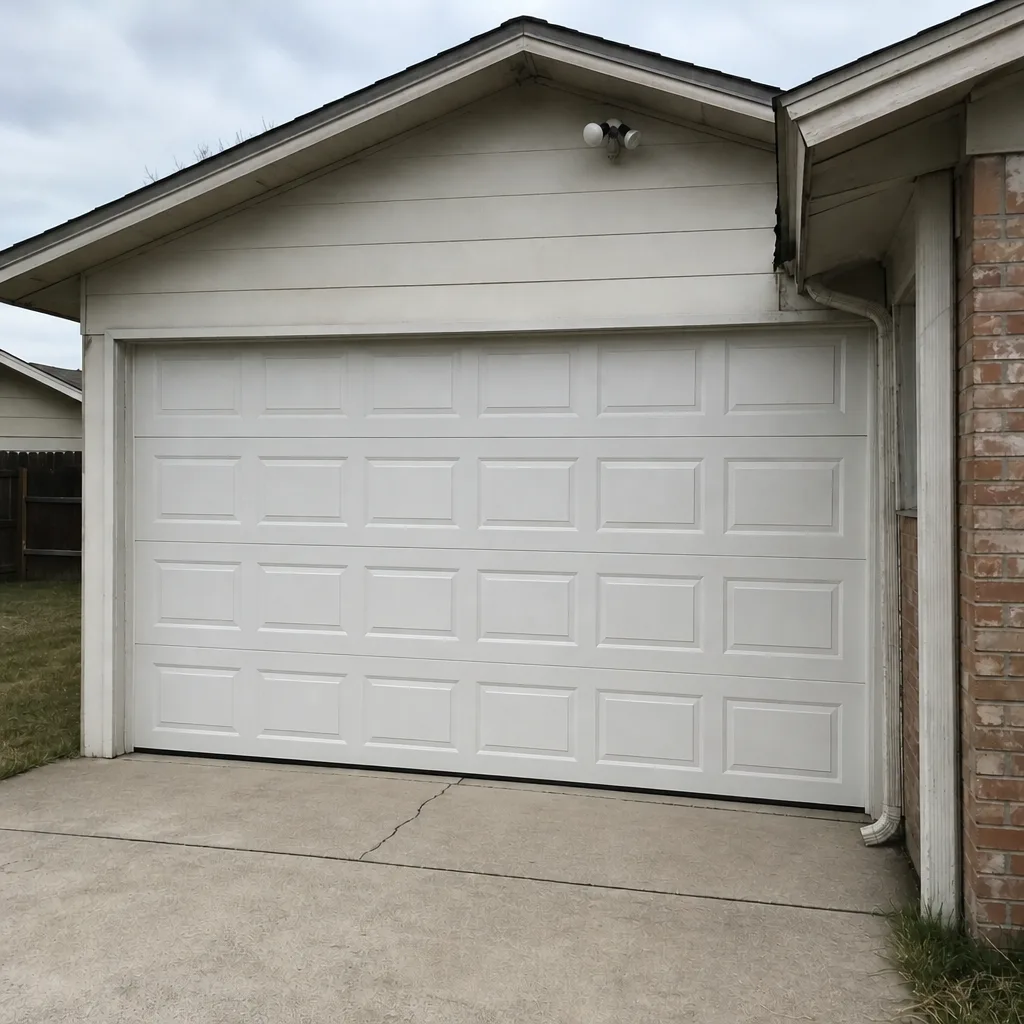 After
When to Call a Professional
Call us when the door won’t close and you’ve already tried the manual release, when a spring has snapped, when the door is off its tracks, when the opener won’t respond after a power restoration, or when a storm has left the door bent or hanging. Also call when you’re not sure whether bracing is right for your door; we can look at the model and the tracks and tell you. We handle everything from opener repair to full replacement on Clopay, Amarr, Wayne Dalton, and the rest of the brands we work on, so the same team that diagnoses the door can install the fix. Texas City Garage Door Repair Pros offers free estimates in Texas City. Call (844) 443-3807. We answer 24/7. Fast dispatch from 7am to 7pm, Sunday through Friday.
Frequently Asked Questions
Pull the manual release, disconnect the opener from power, and lower the door by hand as far as it will go. If it won’t seat, brace it with a 2×4 across the inside of the frame. Don’t force it and don’t keep running the opener. Call (844) 443-3807 once the wind drops; we answer 24/7 and dispatch from 7am to 7pm, Sunday through Friday.
Spring repair is priced per job by a written estimate, and we don’t quote a number until we’ve seen the door. A single spring and a matched pair are different jobs, so the price reflects what your door actually needs. The estimate is free, and the price is agreed before any work starts. Call (844) 443-3807 for an exact quote.
Usually yes, if it’s a routine day and the door is genuinely unsafe or open to the weather. After a named storm, dispatch is limited and you may be scheduled rather than seen same-day. Call us and we’ll tell you honestly which situation you’re in. The phone line is answered 24/7.
No. The written estimate is the price, and we don’t add charges once work starts. What you’re quoted is what you pay, and anything beyond that is a separate conversation you’d approve first. Call (844) 443-3807 for a free estimate.
Yes. The local professionals we connect you with are licensed and insured as their state requires. Our technicians have up to 9 years of experience and are trained on the eight brands we work on, including LiftMaster, Chamberlain, Genie, Clopay, Amarr, Wayne Dalton, Craftsman, and Raynor.
It depends on your door’s wind rating and width. Some doors are rated for local wind loads without bracing, and some need it. Find your model’s rating first, then decide. We can check the door and tell you whether bracing is worth it or whether replacing the door is the better path.
Frequently Asked Questions About Preparation
Yes. Unplug the opener at the ceiling outlet before the storm arrives and leave it unplugged until the power is stable. A surge after restoration is the most common way to lose a control board, and that applies to every brand we service.
Call us. We’re closed on Saturday, and we’ll book you for Sunday. If the door is open to the weather, secure it with the 2×4 hold-down and clamps first, and call so we know what to prepare for.
A spring repair is usually a single visit, and it’s one of the most common jobs we do. The time depends on the door, the spring type, and whether anything else was damaged when the spring let go. We’ll tell you what to expect when we see the door.
The Bottom Line
Garage door emergency preparedness in Texas City comes down to a few small acts done before the storm, not a heroic scramble during it. Test your manual release. Know your door’s wind rating. Unplug the opener before the surge. Keep a 2×4 and two clamps where you can find them. Photograph everything before you repair anything. And when a spring snaps or a door comes off its tracks, call a technician who works on your brand rather than forcing it yourself. That’s the whole plan. It takes an afternoon to set up and it saves you a night of guessing. Call (844) 443-3807 for a free estimate. We answer 24/7. Fast dispatch from 7am to 7pm, Sunday through Friday. Our technicians have up to 9 years of experience, and we work on your brand, from Texas City Garage Door Repair Pros to the full range of LiftMaster, Chamberlain, Genie, Clopay, Amarr, Wayne Dalton, Craftsman, and Raynor equipment.
Written by the team at Texas City Garage Door Repair Pros.