
Last updated November 23, 2026
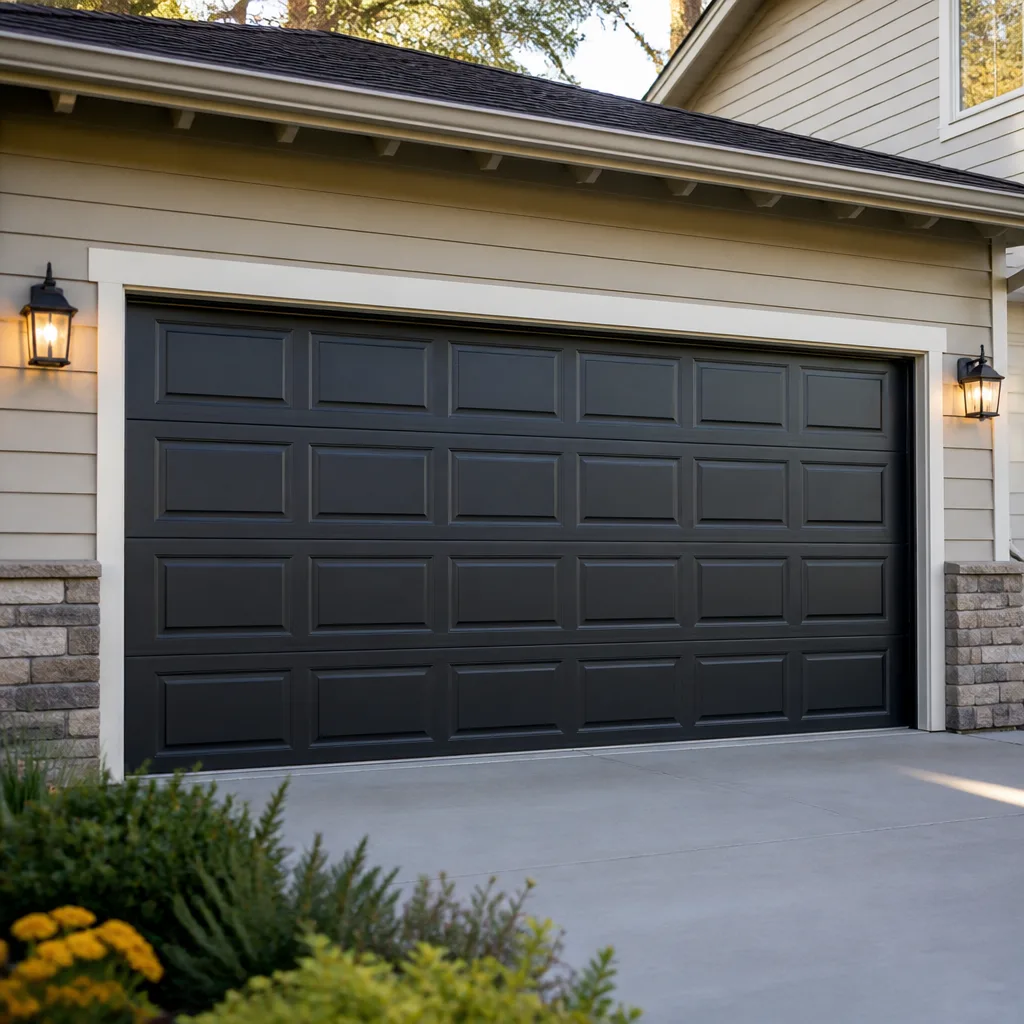 Raised-panel steel
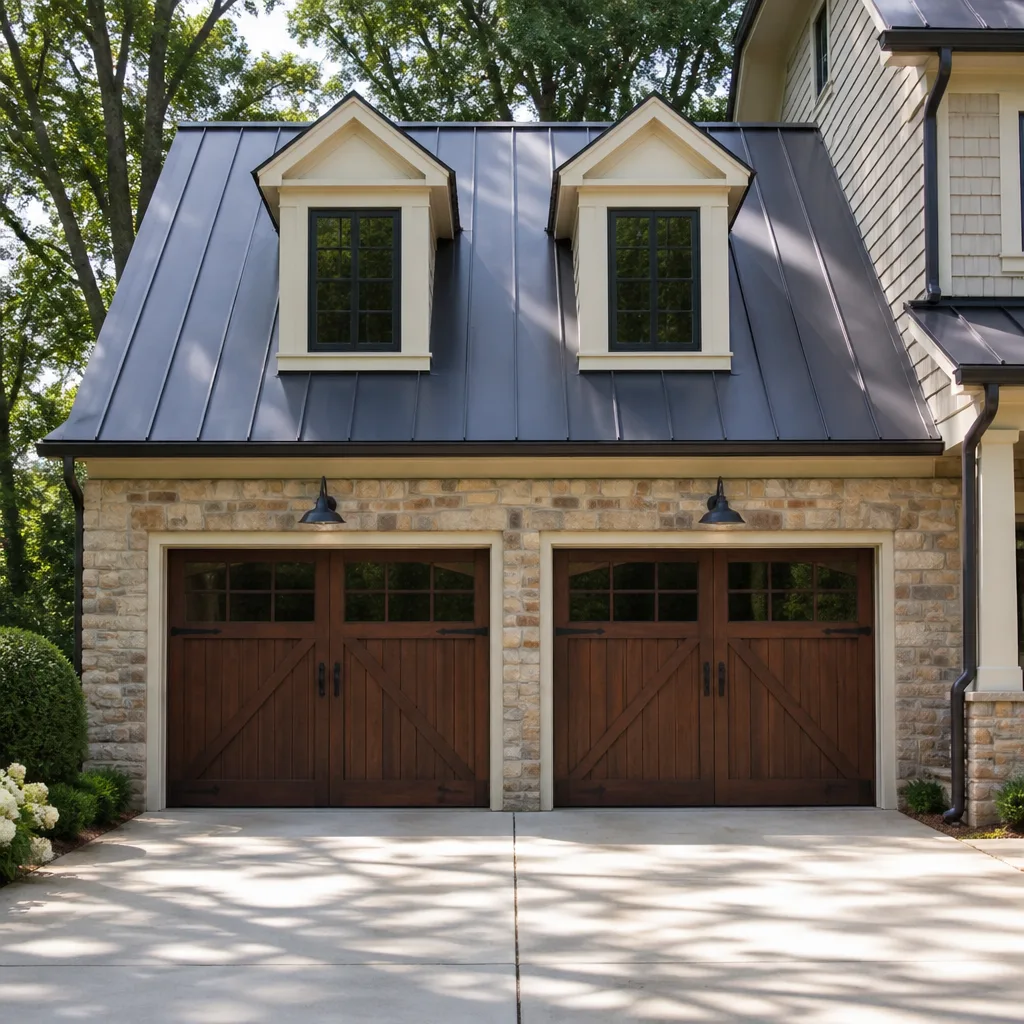 Carriage house
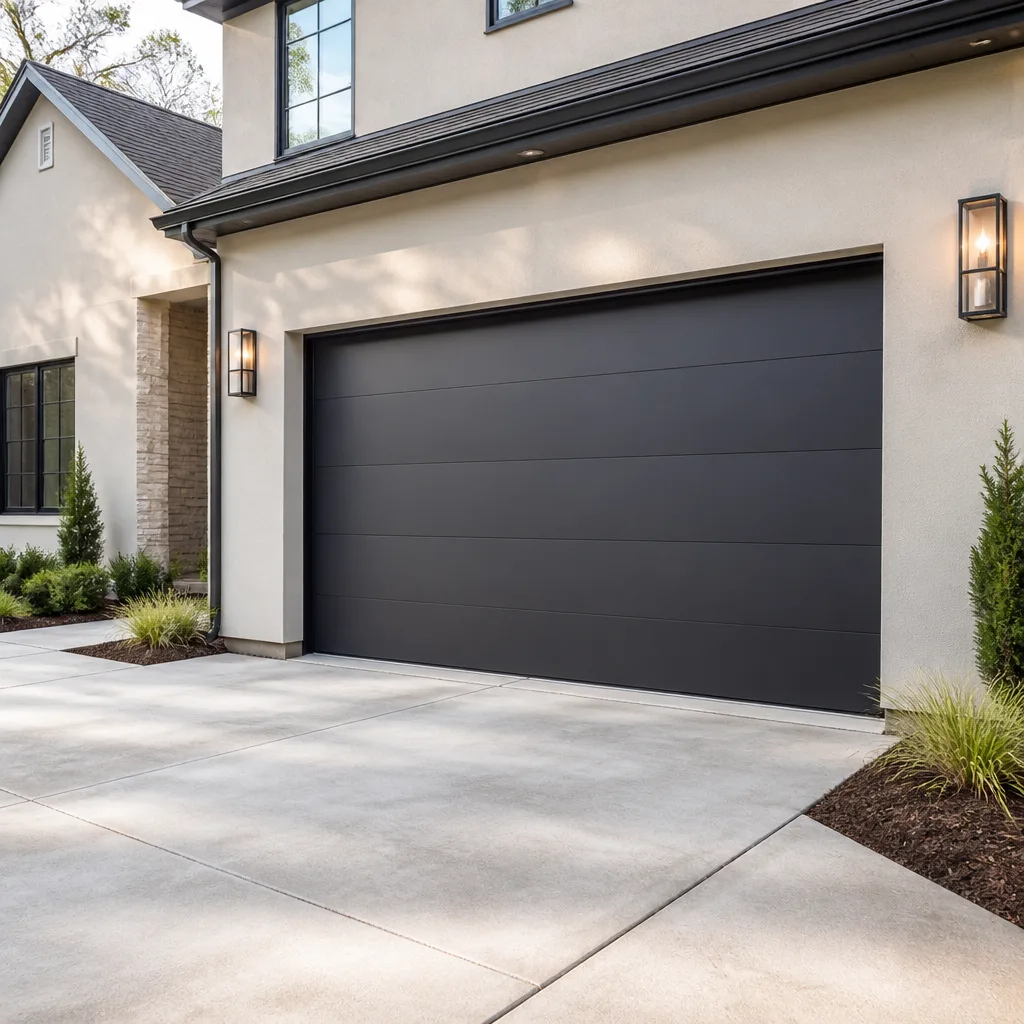 Modern flush
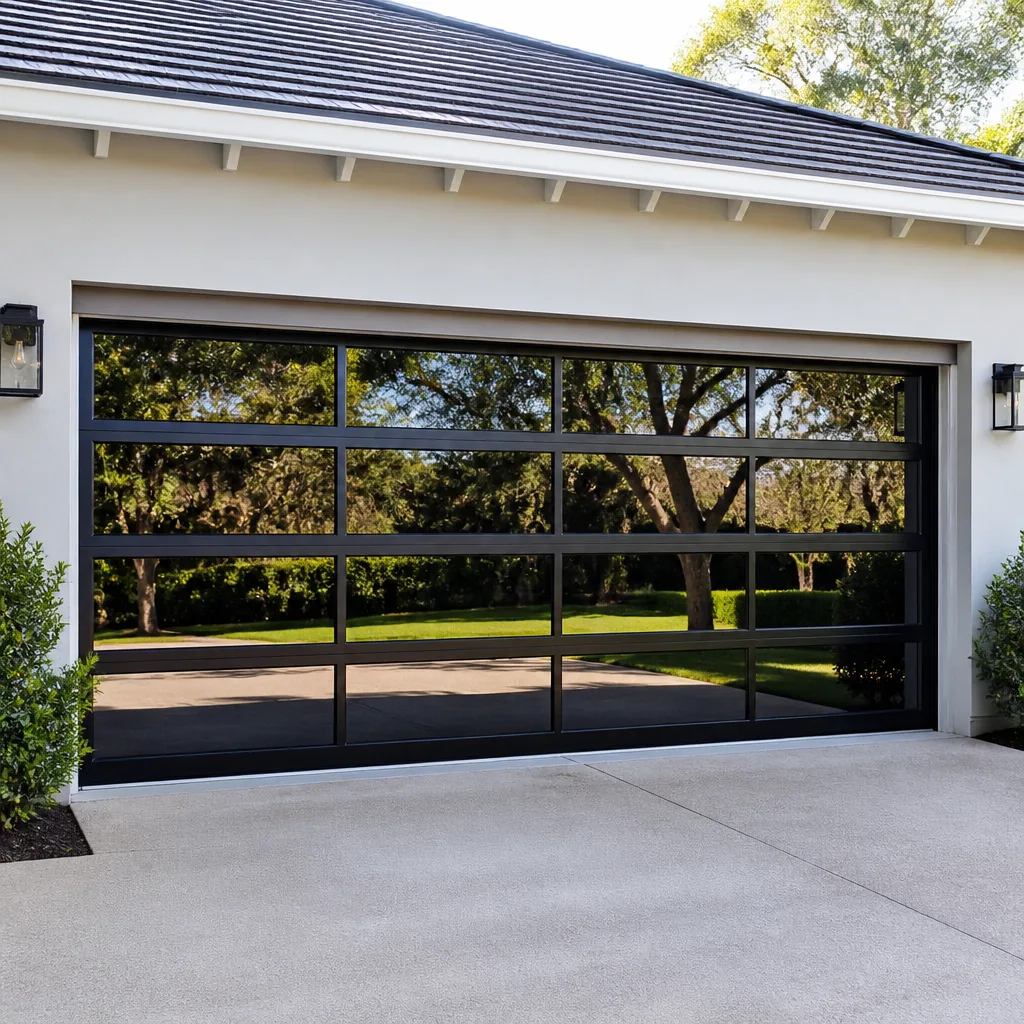 Full-view glass
 LiftMaster openers
 Chamberlain openers
Full 25-point door and opener safety check with every visit - springs, cables, rollers, tracks, and your LiftMaster or Chamberlain opener included
You get a price before we start. It does not change when the pro arrives.
Get your free estimateChoosing the Right Garage Door Brand: A Buyer’s Guide for Texas City
The brand that wins a national consumer magazine’s top rating may be the wrong door for Texas City. Popular reviews rank doors on a test track in a climate nothing like ours. Here, the question is simpler and more practical: whose hardware resists the humidity we live in every day, and who has a dealer nearby that stocks the parts your door will eventually need? This guide walks through how to compare brands on the things that actually matter in Galveston County, from steel gauge to corrosion testing to opener compatibility. By the end, you’ll know how to pick a door that holds up and a dealer who stands behind it.
Quick Answer
The best garage door brand in Texas City is the one with a local dealer who stocks parts, a warranty that’s actually supported at the dealer’s authorization tier, and hardware rated for humid, wind-driven conditions. In practice that points most homeowners toward Clopay, Amarr, Wayne Dalton, or CHI sold through an authorized dealer, matched to an opener from a brand like LiftMaster or Genie that the installer knows well. National popularity rankings matter far less than local support and real corrosion ratings.
Styles & brands we work with
- Raised-panel steel
- Carriage house
- Modern flush
- Full-view glass
- LiftMaster openers
- Chamberlain openers
Table of Contents
- Why National Rankings Fail Texas City Homeowners
- Head-to-Head: Clopay, Wayne Dalton, Amarr, and CHI
- What Steel Gauge Really Means for Dent Resistance
- “Coastal Collection” Marketing vs. Real Salt Spray Ratings
- How to Tell If a Dealer Is Authorized at the Warranty Tier
- Why Opener Compatibility Matters More Than You’re Told
- What a Proper Texas City Installation Involves
Why National Rankings Fail Texas City Homeowners
A door tested in a dry, mild climate tells you almost nothing about how it will perform in Texas City. The ratings you read online measure things like insulation value and appearance in conditions that don’t match our humidity, our wind-driven rain, or the airborne grit that comes off the bay. What those tests skip is exactly what shortens a door’s life here: how fast the hardware corrodes, how well the panels hold their finish, and whether replacement parts are sitting on a shelf within driving distance.
We see the result of that gap often. A homeowner buys a door that scored well nationally, then discovers the hinges and rollers are lighter-gauge steel that starts to pit and stiffen after a couple of humid summers. The panels may still look fine while the moving parts are the first to go. That’s not a knock on the brand’s engineering overall. It’s a mismatch between where the door was designed to live and where it actually lives.
There’s a second local problem rankings ignore: parts availability. A brand can be excellent on paper and still leave you waiting weeks for a proprietary bottom bracket or a specific torsion spring size because no dealer in the Texas City area stocks it. When your door is stuck open and the house isn’t secure, “excellent on paper” doesn’t help.
So the practical buyer’s checklist for Texas City comes down to three things:
- Corrosion resistance of the hardware, not just the paint finish on the panels.
- Local parts availability through a dealer who keeps common components in stock.
- Dealer support at the authorization level that lets the warranty actually be honored.
National magazine rankings rarely capture any of those three. That’s why we tell homeowners to start with the dealer and the local support chain, then work backward to the brand.
Head-to-Head: Clopay, Wayne Dalton, Amarr, and CHI
These four brands cover most of what’s sold and installed in the Texas City and Galveston County market, and each has a different strength. None is universally “best.” The right pick depends on your budget, the look you want, and how much you value local parts depth. Here’s how they compare on the factors that matter here.
Clopay
Clopay is one of the most widely distributed brands in the country, which is a real advantage for parts. Because so many Clopay doors are installed around Texas City, most area dealers keep common hardware on hand. The brand offers a broad lineup from basic steel to insulated and carriage-house styles, so you can match the door to the house. Their hardware is generally solid for the price, though the entry-level lines use lighter components you’ll want to upgrade if you’re near the water.
Wayne Dalton
Wayne Dalton is known for its insulated models and fairly strong warranty terms on higher tiers. The trade-off is that some of their proprietary parts are less commonly stocked locally, so a repair can hinge on dealer depth. If you choose Wayne Dalton, confirm the dealer keeps the specific hardware for your model series, not just the brand name. Their doors perform well in humidity when the finish and hardware hold up, so pay attention to which line you’re buying.
Amarr
Amarr builds doors that are popular for their value and clean styling, and they’ve invested in corrosion-focused product lines aimed at humid climates. That makes them a reasonable fit for Texas City. As with any brand, the marketing label on a product line matters less than the actual hardware spec. Ask for the finish and hardware details on the specific model, and confirm the local dealer’s ability to source replacement components.
CHI
CHI is a manufacturer that sells through a dealer network, and their doors are well regarded for panel construction and finish. Because CHI leans on authorized dealers, local support quality depends heavily on which dealer you buy through. If your CHI dealer is close and stocks parts, you get a strong door with good backup. If not, you may wait on components. The lesson repeats: brand reputation is only as good as the dealer behind it.
If you want the full comparison broken into one place, here’s the short version:
- Best parts availability: Clopay, simply because volume means more local stock.
- Best on corrosion-focused lines: Amarr and Clopay’s premium finishes.
- Best when backed by a strong local dealer: Wayne Dalton and CHI.
- Wildcard to verify: any “coastal” label. Confirm the actual test spec rather than trusting the name.
Whichever brand you lean toward, the deciding factor is the same: how well the local dealer supports it. A well-supported Clopay will outperform a poorly-supported premium brand every time in Texas City.
What Steel Gauge Really Means for Dent Resistance
Steel gauge is the thickness of the metal in your door panels, and in a market with wind-driven debris it’s one of the most important specs you can check. Here’s the confusing part: the gauge number goes down as the steel gets thicker. A 24-gauge door is thinner than a 27-gauge door. That trips up a lot of buyers who assume a bigger number means more steel. It doesn’t.
Manufacturers typically offer panels in 24-, 25-, and 27-gauge steel, with thicker options like 26- or 27-gauge on premium and insulated lines. The thicker the steel, the more it resists an impact dent and the better it holds its shape over years of use. In a coastal market where a storm can throw debris against the door, panel stiffness is not a spec-sheet detail. It’s the difference between a door that looks new after a windy season and one that collects dings across its face.
What to check when you compare:
- Gauge of the panel steel, not just the overall door weight. A heavier door can still use thinner panels with more insulation behind them.
- Section construction, including whether the panels are double-sided steel or single-sided with a backing.
- Hinge and roller gauge, which is separate from the panel and often the first to corrode.
- Finish system, meaning how the paint or coating is applied and whether it’s designed for humid environments.
- Ask the dealer to state the steel gauge of the specific model in writing.
- Compare gauge against the other models you’re considering, not against a marketing number.
- Check whether hinges and rollers are the same gauge as the panel or lighter.
- Weigh the upgrade cost of thicker steel against the cost of replacing dented panels later.
Thicker steel costs more up front. In Texas City, the larger question is whether thinner steel will survive the wind seasons with its finish and shape intact. We’ve seen too many light-gauge doors that look tired after a few years of Gulf weather.
“Coastal Collection” Marketing vs. Real Salt Spray Ratings
A product line called “coastal” doesn’t necessarily mean anything testable. Manufacturers use coastal labels to signal a finish or a hardware upgrade aimed at humid, salty environments, but the label alone tells you nothing about how the product actually performs. The number that matters is the ASTM salt spray test rating on the hardware and finish. That rating is a measured result: how many hours a coated part can sit in a salt fog chamber before corrosion appears.
Here’s how to cut through the marketing:
- Ask for the test rating, not the label. A finish rated to a defined number of salt spray hours is a real claim. “Coastal-grade” without a number is a slogan.
- Check which components were tested. A finish might be salt-spray tested while the hinges, rollers, and fasteners were not. Hardware is where corrosion shows up first.
- Look at the test standard. ASTM B117 is the common salt fog method. A manufacturer citing a specific standard is more credible than one citing none.
- Compare finish warranties. A brand backing its finish for a longer term is more confident in it, though you still need the dealer to honor that warranty.
We’ve seen hardware that carries a coastal label but uses the same base steel as the inland line, with only a better topcoat. Topcoat helps, but it doesn’t change what’s underneath. When the coating wears at a moving joint, bare steel meets humid air and the process starts.
The practical takeaway for Texas City buyers: treat any coastal label as a starting point for questions, not an answer. Ask the dealer to show you the salt spray rating for the exact model and hardware set, and compare that number to the alternatives. If a salesperson can’t produce it, that tells you something about the depth of their support.
How to Tell If a Dealer Is Authorized at the Warranty Tier
A dealer who stocks a brand’s doors isn’t automatically authorized to support the brand’s warranty. Manufacturers run tiered dealer programs, and the warranty terms, service commitments, and support levels differ by tier. A low-tier reseller may sell you the door but leave you without the warranty backup that a higher-tier authorized dealer provides. In Texas City, that gap can turn a small repair into an out-of-pocket cost.
Here’s how to check before you sign:
- Ask which authorization tier the dealer holds for the brand you’re considering, and what that tier includes in terms of warranty registration and support.
- Ask who honors the warranty. It should be a clear path back to the manufacturer through the dealer, not a shrug and a phone number.
- Confirm the dealer can register the product in your name. Warranty coverage often depends on timely registration at the time of installation.
- Find out whether the dealer stocks parts for the model line, not just the brand. Local parts depth is a real signal of authorized support.
- Ask what happens if a component fails. A dealer with real authorization can order and install brand parts. A reseller may hand you off.
We’ve fielded plenty of calls from homeowners who bought a door from a general contractor who “could get any brand,” only to find that warranty claims stalled because the installer wasn’t an authorized dealer at the tier that mattered. The door itself was fine. The support behind it wasn’t.
A simple rule for Texas City: buy from a dealer who can tell you their authorization tier and register your product, and who stocks the parts for what they sell. If any of those three is fuzzy, keep asking. The most expensive door is the one nobody will fix under warranty.
Why Opener Compatibility Matters More Than You’re Told
Most salespeople focus on the door panels and gloss over the opener, which is backwards. The opener, door, and safety hardware have to work as one system, and the combinations that go wrong are predictable. LiftMaster and Chamberlain (which share the MyQ smart platform), Genie, and Craftsman each have their own remotes, wall controls, safety sensors, and app integrations. When the door brand’s weight and balance don’t match the opener’s rated capacity, or the sensing system doesn’t align with how the door closes, you get callbacks.
The most common mismatches we encounter in Texas City:
- An underpowered opener on a heavy insulated door. The motor strains, the door hesitates, and the opener’s lifespan drops.
- Smart features that don’t talk to each other. A MyQ opener paired with a wall control or app that wasn’t meant for it leaves you with warnings and dead integrations.
- Safety sensor misalignment. Newer openers demand a specific beam alignment that some doors and tracks make awkward, causing constant reversals.
- Proprietary remotes and keypads that don’t pair because the buyer chose an opener brand the installer doesn’t carry compatible transmitters for.
When we install a door for a Texas City homeowner, we match the opener to the door’s weight and the homeowner’s smart-home setup rather than bolting on whatever’s in stock. That means a LiftMaster or Chamberlain MyQ unit where the homeowner wants app control, or a Genie or Craftsman unit where that’s the better fit. If the current opener is fine, we don’t replace it for the sake of a new door. When an opener fails, that’s a separate job, and it’s one we handle as garage door opener repair.
What a Proper Texas City Installation Involves
Brand choice gets you a good door. Installation gets you a door that works. The same model installed two different ways can perform completely differently, and in a humid market the install details matter as much as the product. A proper install starts with a measure of your opening and an honest look at the existing framing, tracks, and spring system. Replacing the door doesn’t automatically include those, and an installer who assumes they’re fine out of the gate is cutting corners.
What a correct installation typically involves:
- Measure the opening and the headroom. Door size, track radius, and the space above the opening all determine what fits.
- Check and likely replace the springs. New doors often carry different weights than old ones, which means new torsion or extension springs set for the new load. This is high-tension work and not a job for anything but a trained installer. For context on why it’s a specialty, see garage door spring repair.
- Mount the tracks plumb and level. Track alignment drives how smoothly the door moves and how long the rollers survive in humidity.
- Align the opener and safety sensors. Set the opener’s travel and force limits to the door, then verify the safety reversal works.
- Test balance and cycle the door. A properly balanced door moves smoothly by hand with little effort; a poorly balanced one strains the opener.
After the install, we walk the homeowner through the opener controls, the app where one exists, and the basic checks to do if the door ever hesitates. That’s part of garage door repair as well, since most calls start with something small that grew. If you’re comparing installers, ask what’s included in the measure, the track and spring work, the opener alignment, and the post-install walkthrough. At Texas City Garage Door Repair Pros, we handle the complete system from panels to springs to openers, so there’s no handoff gap between the door and the hardware that moves it.
Common Mistakes to Avoid
- Choosing a brand by national ranking alone. A top national rating doesn’t tell you how a door will handle Texas City’s humidity or whether local parts are available. Rank the dealer and the local support chain first, then the brand.
- Ignoring the steel gauge. Buyers often assume a bigger gauge number means thicker steel, and the reverse is true. Ask for the gauge in writing and compare it across models.
- Trusting a “coastal” label without a test number. The label is marketing. The ASTM salt spray rating on the finish and hardware is the real signal.
- Buying from a reseller, not an authorized dealer. A low-tier reseller can sell you a door but may not be able to support the warranty. Ask for the authorization tier and confirm product registration.
- Skipping the opener check. Pairing a heavy insulated door with an underpowered opener causes strain, callbacks, and early failure. Make sure the opener matches the door’s weight and your smart-home setup.
- Reusing old springs on a new door. A replacement door with different weight needs springs set for that weight. Reusing old ones can leave the door unbalanced and the opener working too hard.
- Not asking about local parts stock. Ask the dealer what they keep on hand for your model. A door with no local parts is a door you’ll wait on when something fails.
See the difference
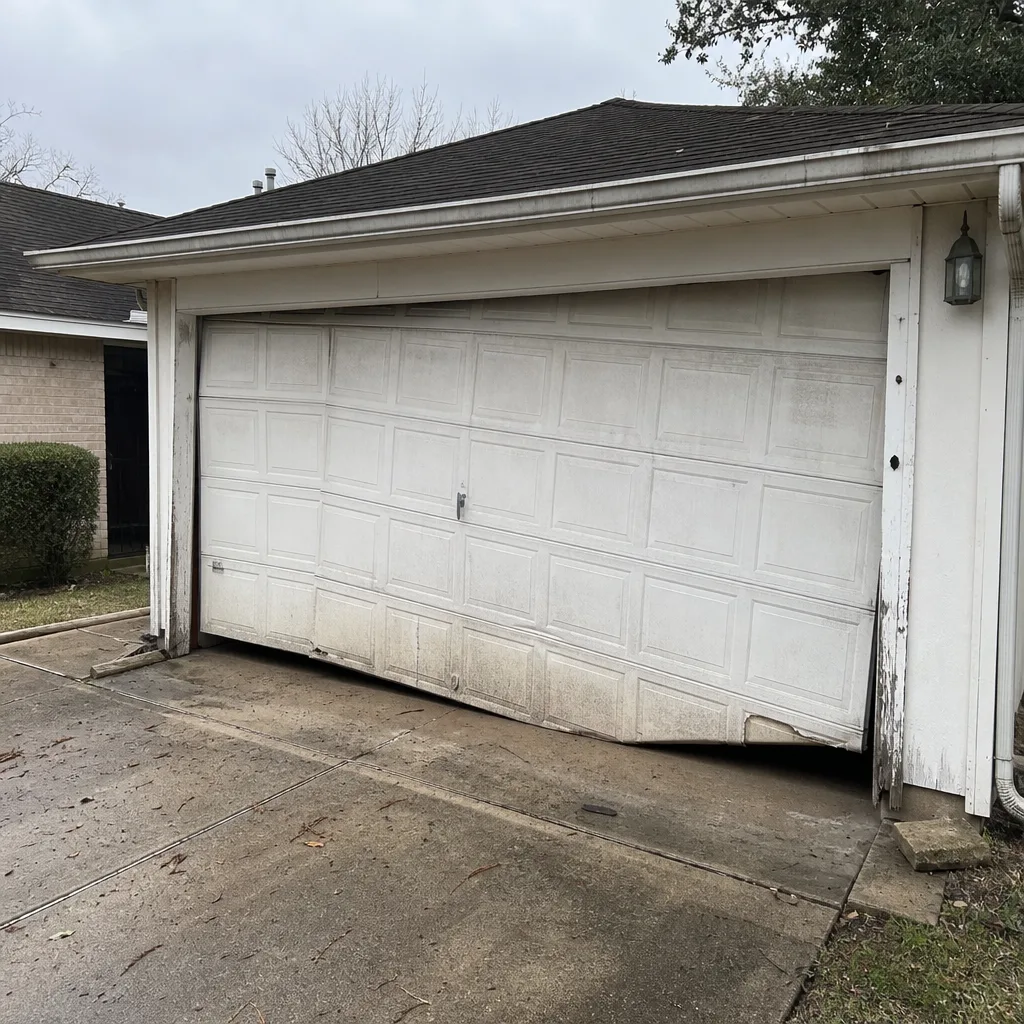 Before
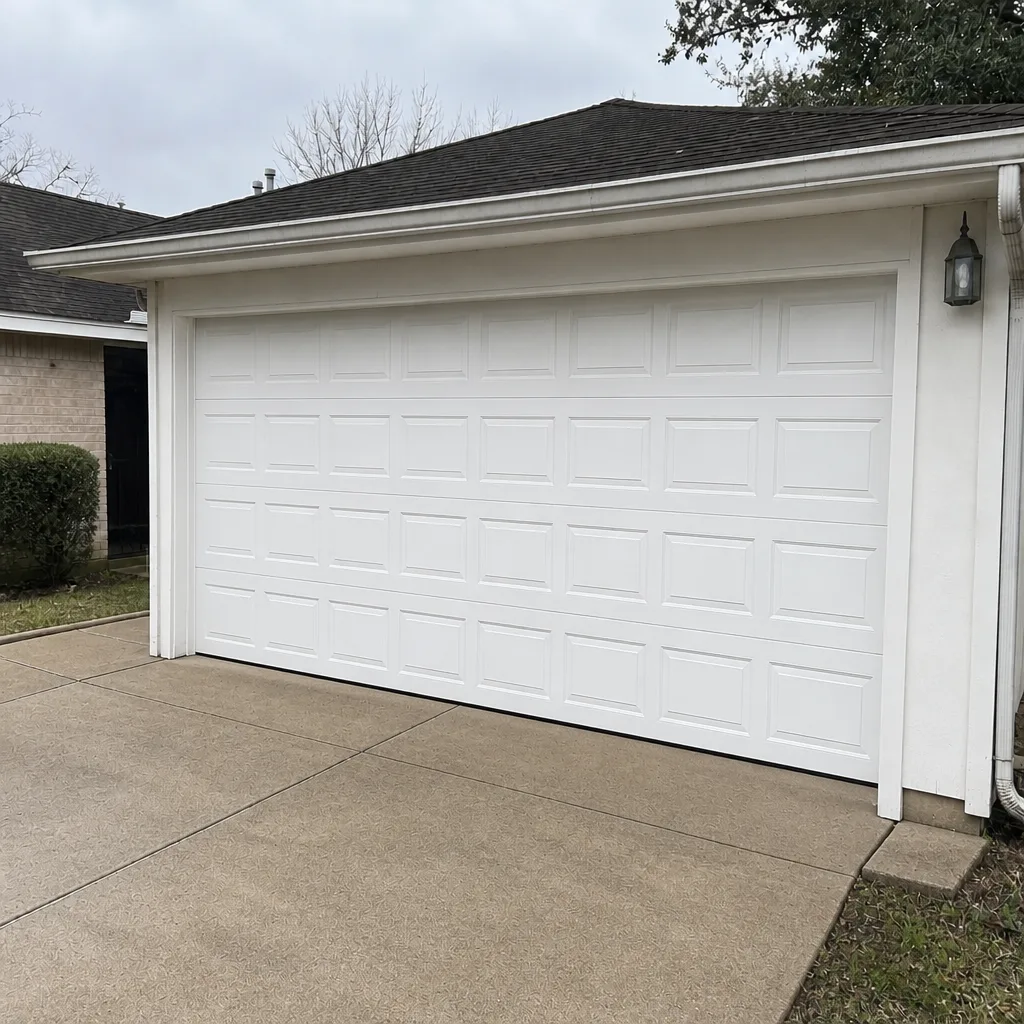 After
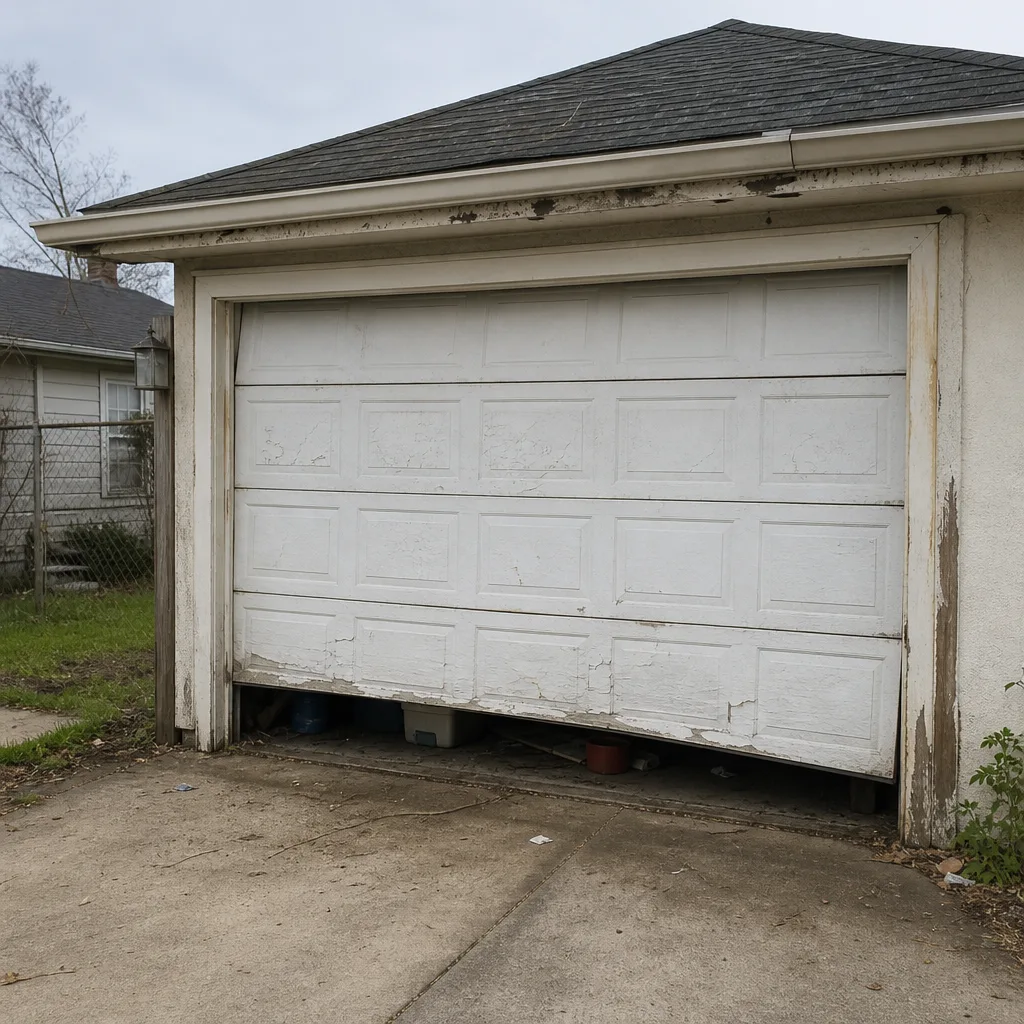 Before
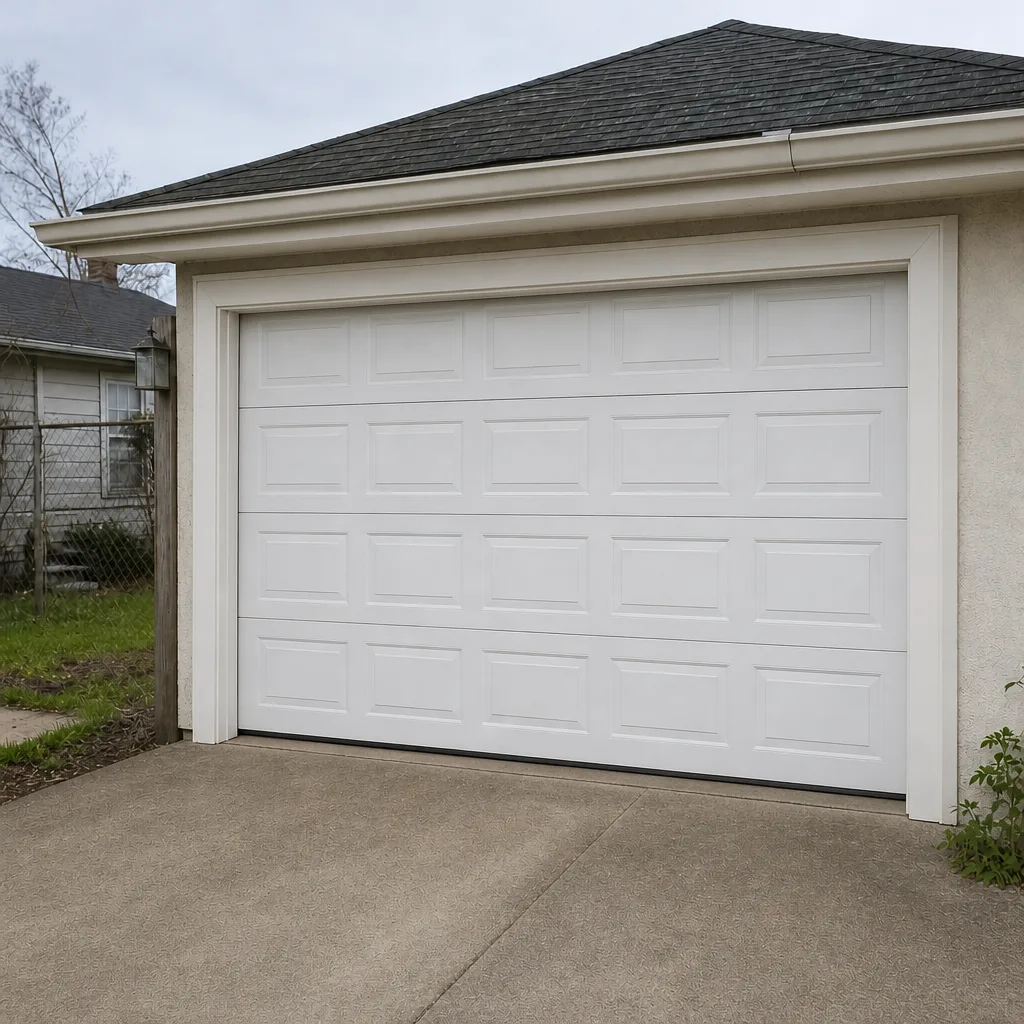 After
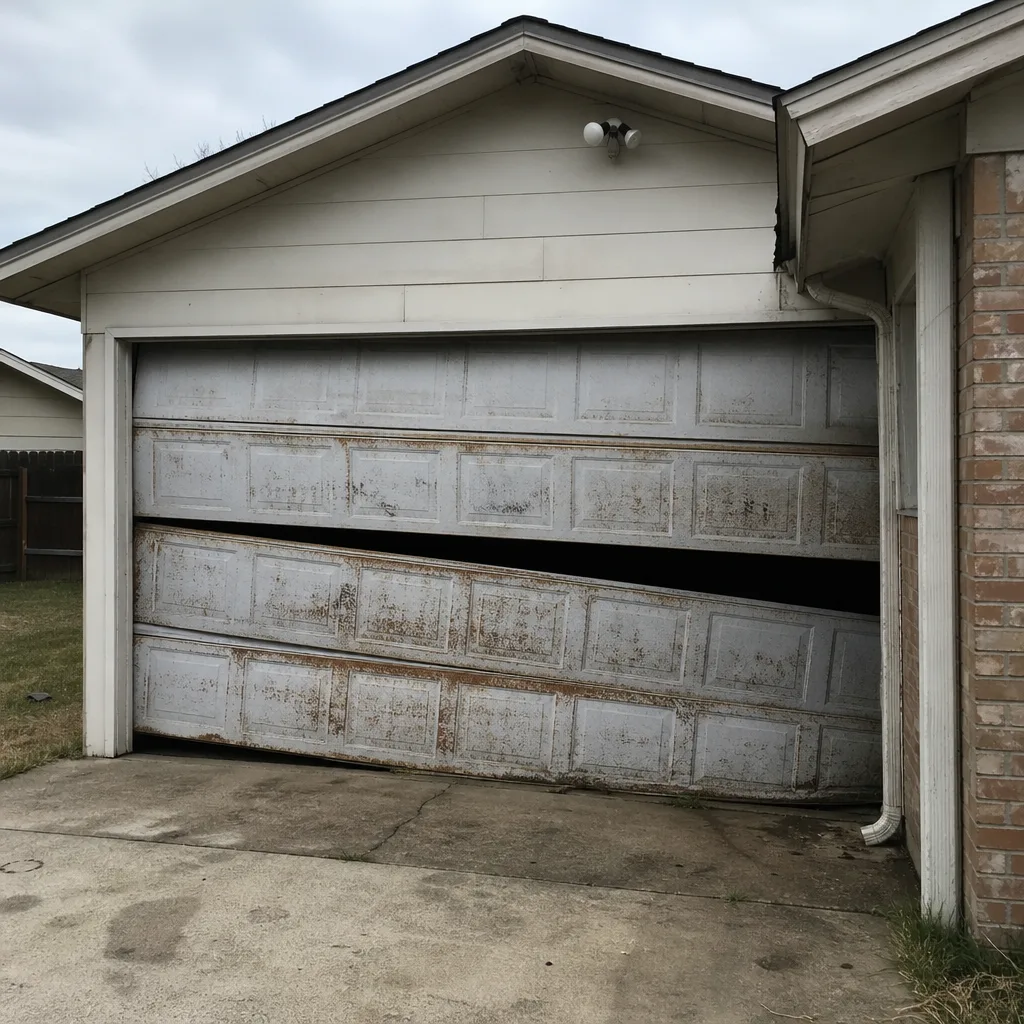 Before
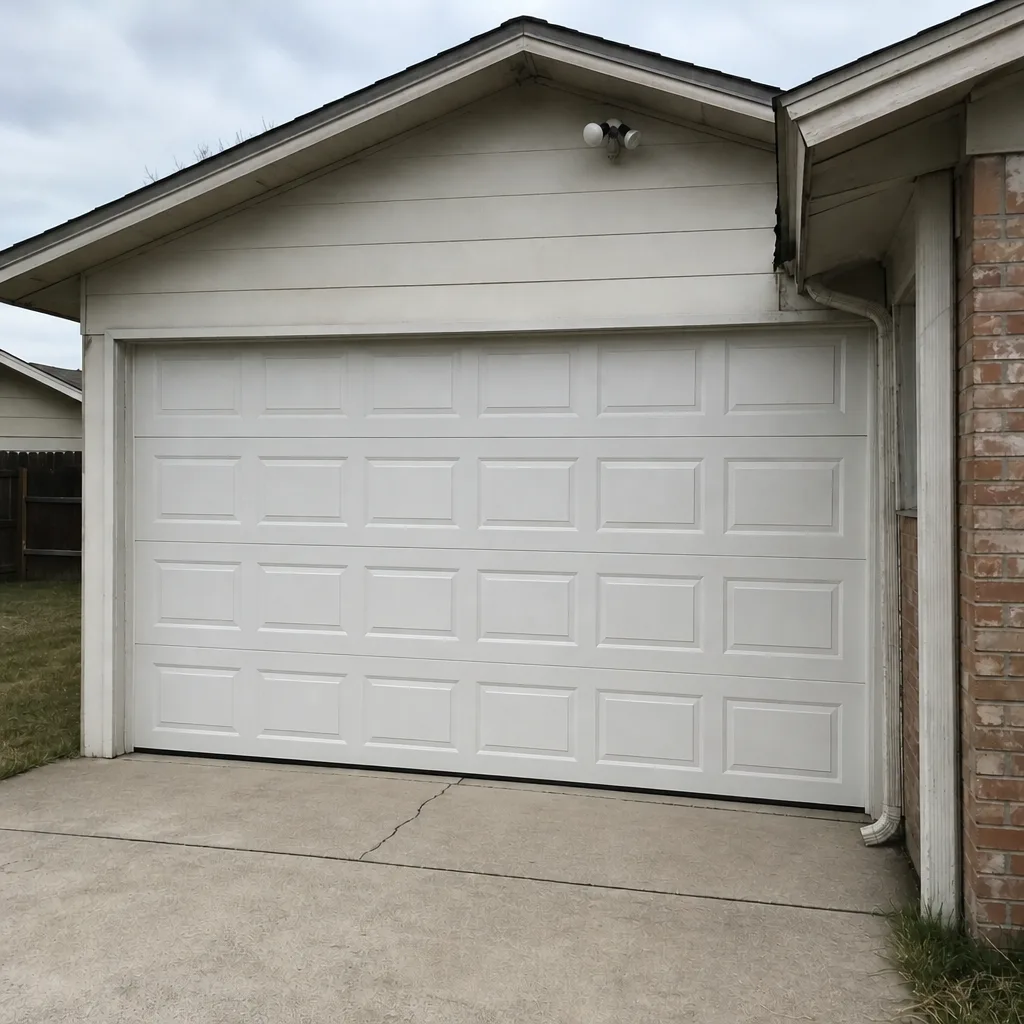 After
When to Call a Professional
Some brand decisions and door work belong to a trained installer, and some situations need a call today. If your door is stuck open or off its tracks, if a spring has snapped (you’ll hear it, and the door will feel suddenly heavy), or if the opener won’t respond, stop trying to force it. Torsion and extension springs are under high tension and can cause serious injury if handled without the right tools and training. That’s why spring work is a specialty here, not a line item. Call us and we’ll get a technician out, and if the call lands outside dispatch hours we book it into the next opening, Sunday through Friday, 7am to 7pm. Texas City Garage Door Repair Pros offers free estimates in Texas City. Call (844) 443-3807.
Frequently Asked Questions
There isn’t one universally best brand, but Clopay, Amarr, Wayne Dalton, and CHI are the most commonly sold and supported in the Texas City area, and the best choice is the one with an authorized local dealer who stocks parts and uses hardware with a real salt spray rating. We work on all of these and can tell you which models make sense for your opening and humidity exposure. Call (844) 443-3807 for a free estimate.
Prices are set per job by a written estimate, and the exact figure depends on the door size, insulation, steel gauge, and opener compatibility. The written estimate sets the final price, and it’s quoted and agreed before any work starts. Call (844) 443-3807 for an exact quote; estimates are free.
Yes. Thicker steel (a lower gauge number) resists dents from wind-driven debris and holds its shape better over years of humid weather. Ask for the gauge of the panels and the separate gauge of the hinges and rollers, since the hardware is often the first to corrode. Call (844) 443-3807 and we’ll walk you through the options for your door.
Ask the dealer which authorization tier they hold for the brand, confirm they can register the product in your name, and find out whether they stock parts for the model line. A reseller can sell a door but may not be able to support the warranty the way an authorized dealer can. If anything is unclear, call us at (844) 443-3807 and we’ll help you sort it out.
Sometimes, but it depends on the door’s weight and the opener’s rated capacity. A heavier insulated door paired with an underpowered opener strains the motor and causes callbacks. We check compatibility for LiftMaster, Chamberlain, Genie, and Craftsman systems as part of every install. Call (844) 443-3807 for a free estimate.
Yes. Emergency garage door service is a core offering, and we handle doors stuck open, stuck closed, or off their tracks. We answer 24/7, with fast dispatch from 7am to 7pm, Sunday through Friday, and we’re closed Saturday. A call outside dispatch hours is booked into the next opening. Call (844) 443-3807.
The Bottom Line
The right garage door brand for a Texas City home is the one with a local authorized dealer, real salt spray ratings on the hardware, thicker steel where you need it, and an opener that matches the door. National rankings are a starting point, not an answer. Clopay, Amarr, Wayne Dalton, and CHI all make doors that can work here, and the deciding factor is the dealer behind them. Our technicians have up to 9 years of experience across LiftMaster, Chamberlain, Genie, Clopay, Amarr, Wayne Dalton, Craftsman, and Raynor. If you’re comparing brands or ready to install, we’ll give you a straight answer.
Call (844) 443-3807 for a free estimate on repair, replacement, or a new door. We answer 24/7, with fast dispatch from 7am to 7pm, Sunday through Friday. For an overview of everything we handle, visit Texas City Garage Door Repair Pros.
Written by the team at Texas City Garage Door Repair Pros.